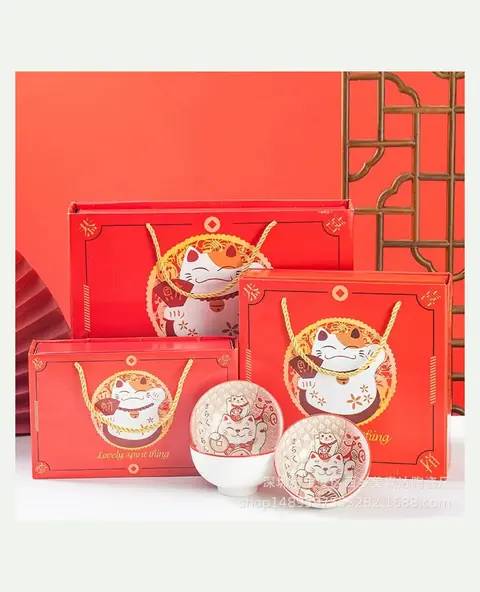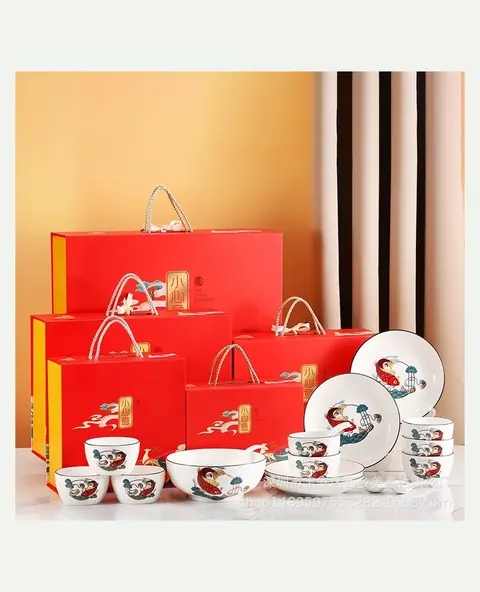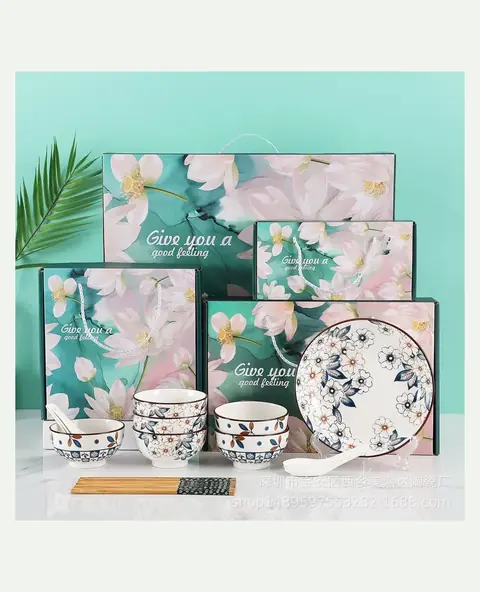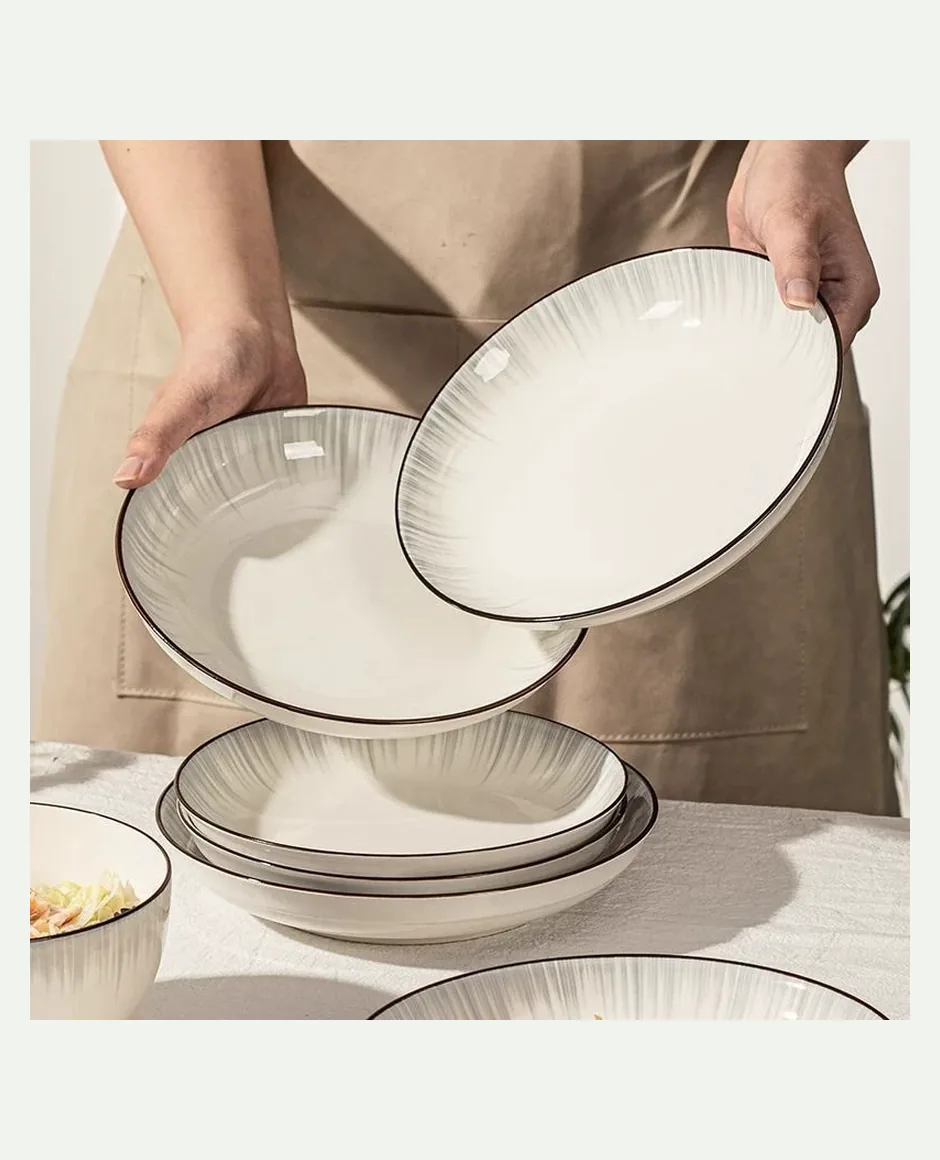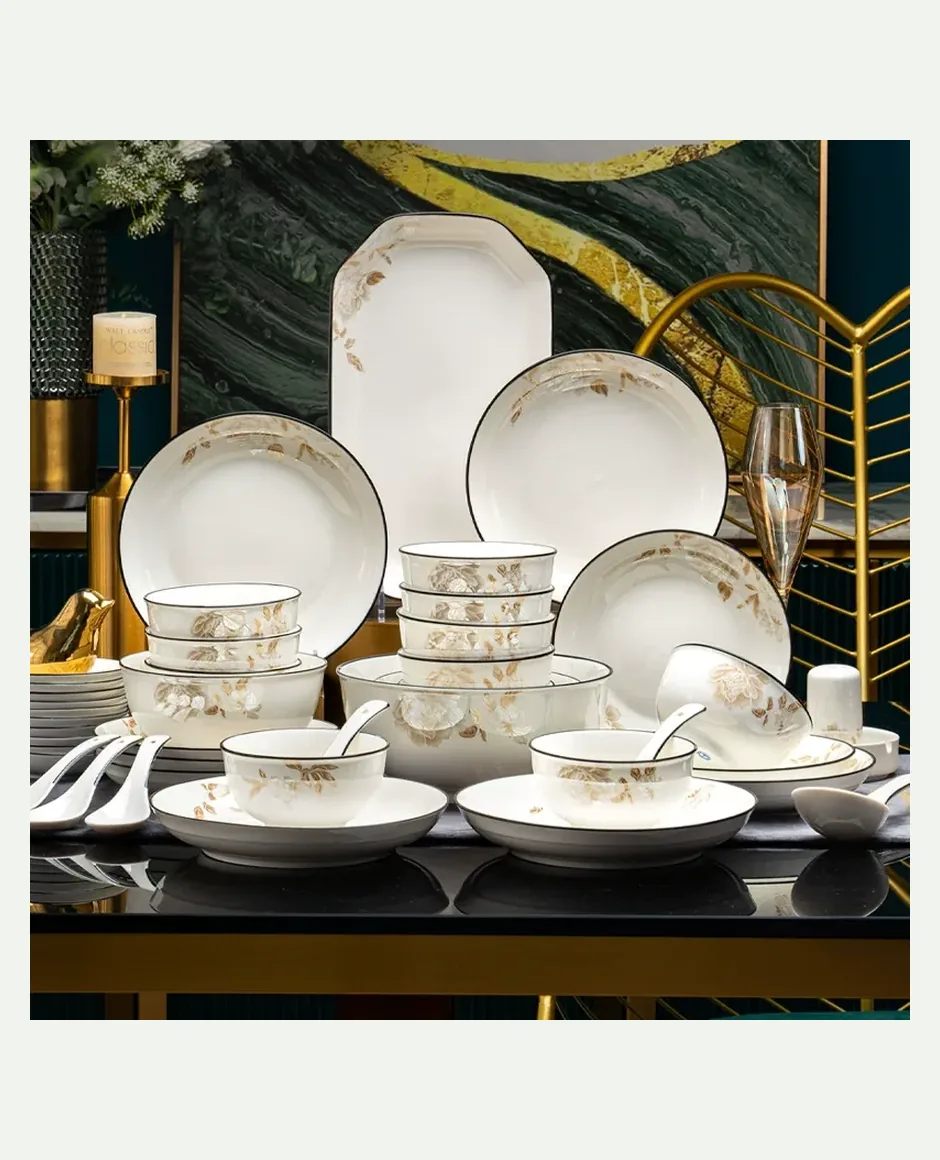
Porcelain is fired hotter, so it is denser and more chip-resistant; dolomite is lighter and costs less but wears faster.
Porcelain is fired at higher temperatures, which makes the body denser, harder and more resistant to chipping. That density is why porcelain is the usual choice for hotels, restaurants and buyers who expect heavy daily use. Dolomite is fired at lower temperatures, so it is lighter and generally less expensive, but it is more prone to chipping and wear over time.
The trade-off is weight and cost against durability. Dolomite suits decorative pieces, occasional-use sets and price-sensitive ranges, while porcelain fits high-end hospitality and premium retail. We produce both, so the decision can be made per range rather than per supplier.
Both materials can be ordered from 1 piece, with a single USD unit price per SKU. OEM and private label are available, and FDA, LFGB and SGS food-contact testing can be requested for either body. Ceramic tableware ships under HS codes 6911 and 6912 in export cartons.
Tell us the product, quantity and destination — we'll reply with pricing and lead time within one business day.
Request a Quote