A buyer's guide to the eight ceramic tableware categories that anchor a profitable range, from dinner plates to serving pieces and gift-ready accessories.
Retailers rarely win on a single hero product. Sales come from a shelf that answers many shopping missions at once: the customer replacing a chipped dinner plate, the cafe owner ordering mugs, the gift buyer hunting for a serving platter. A balanced ceramic range keeps all three in your store instead of sending them to a competitor.
The eight categories below cover the core of most tableware assortments. Each serves a distinct purpose, and together they build a coherent offer that supports repeat visits and larger baskets. Use this list as a checklist when planning a new season or testing a new supplier.
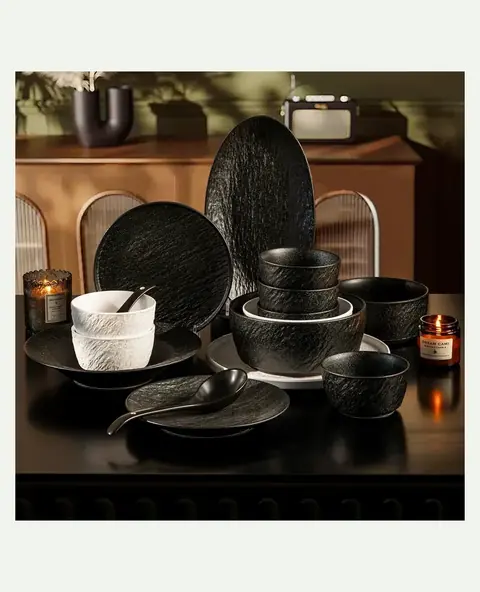
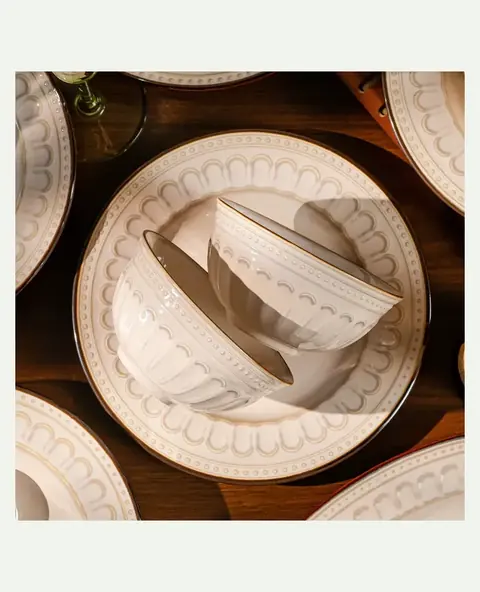
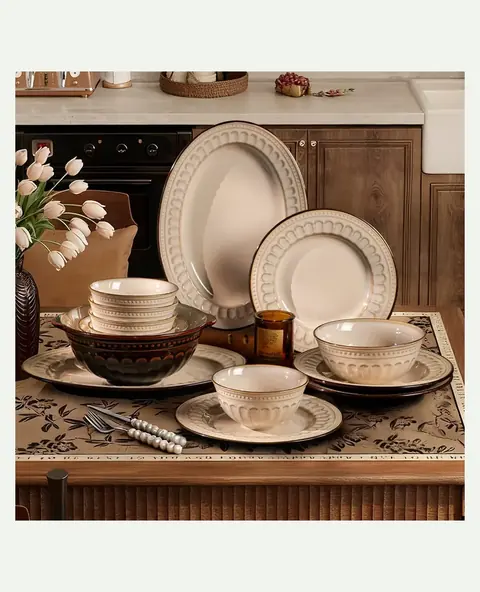
Plates are the backbone of the category and usually the first item a buyer evaluates. Stock a spread of diameters and rim styles so customers can choose between casual everyday pieces and cleaner formal looks. Porcelain suits lighter, more refined settings, while stoneware appeals to shoppers who want a rustic feel.
Durability claims matter here. Ask suppliers about chip resistance, microwave use and dishwasher performance before you commit to a volume order. A plate that fails in the customer's kitchen becomes a return, so verify quality through samples and pre-shipment inspection.
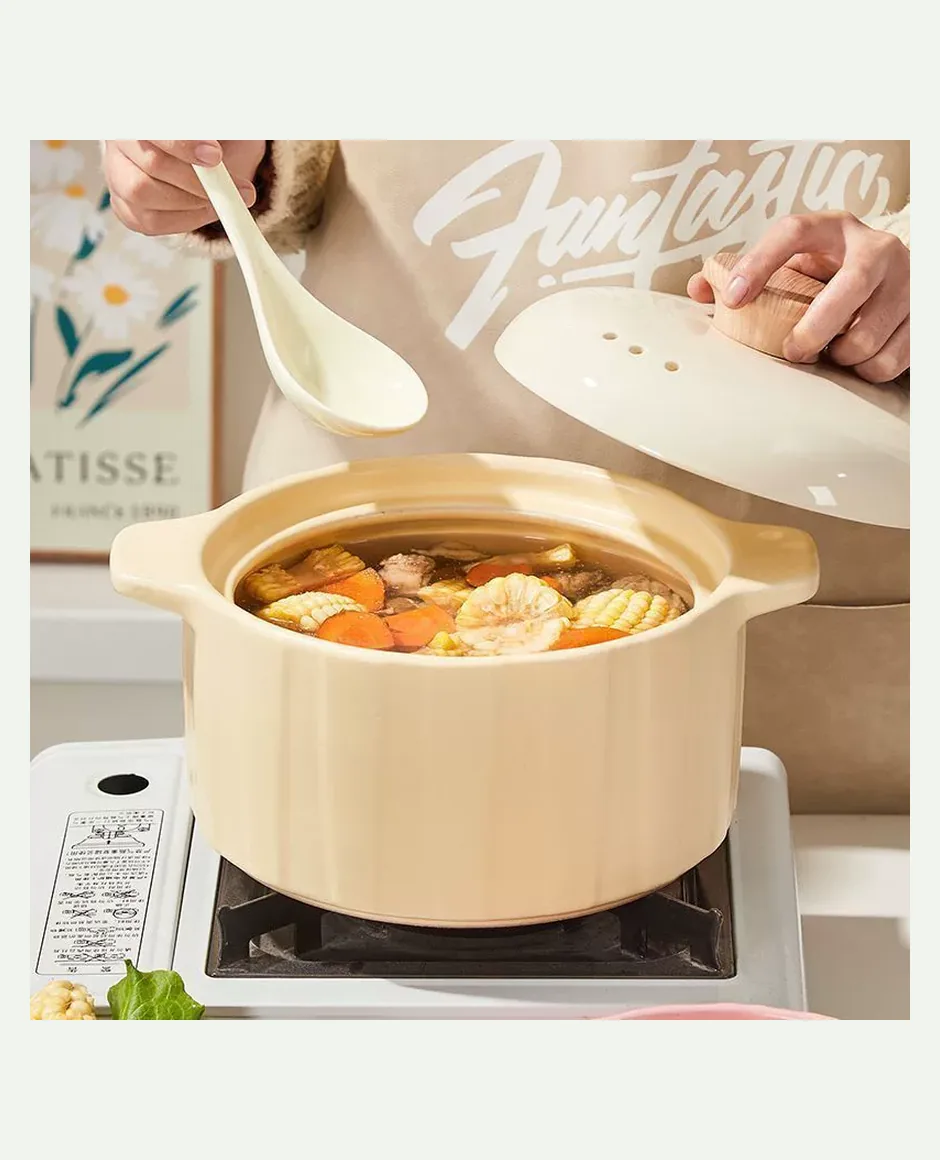
Bowls sell across breakfast, lunch and dinner, which makes them one of the highest-turnover items in tableware. Offer a range of depths and capacities: shallow bowls for pasta and salads, deeper ones for soup and cereal. Nesting and stackable designs are strong selling points for buyers with limited cabinet space.
Because bowls are often bought in multiples, they are a natural entry point for private label programs. A consistent glaze and shape across sizes helps customers build a matching set over time.
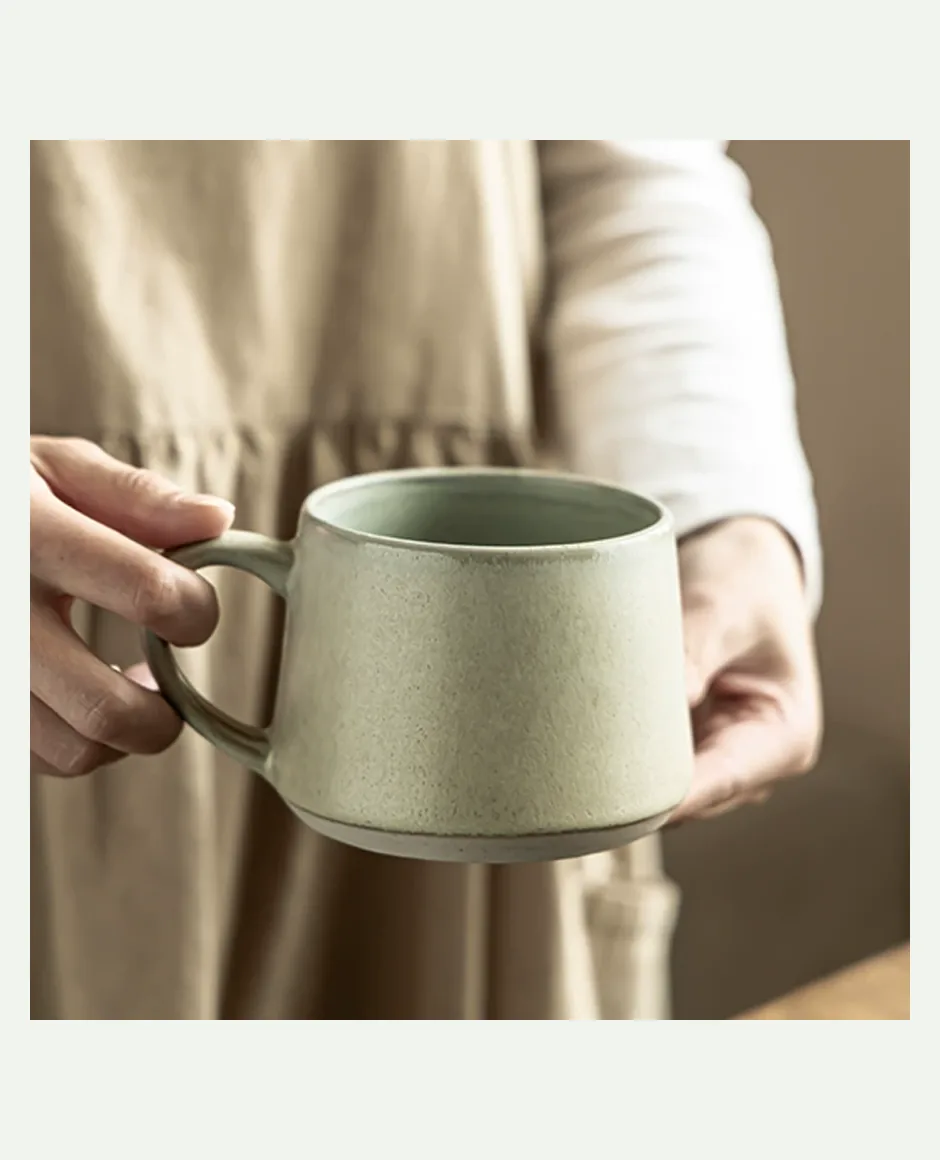
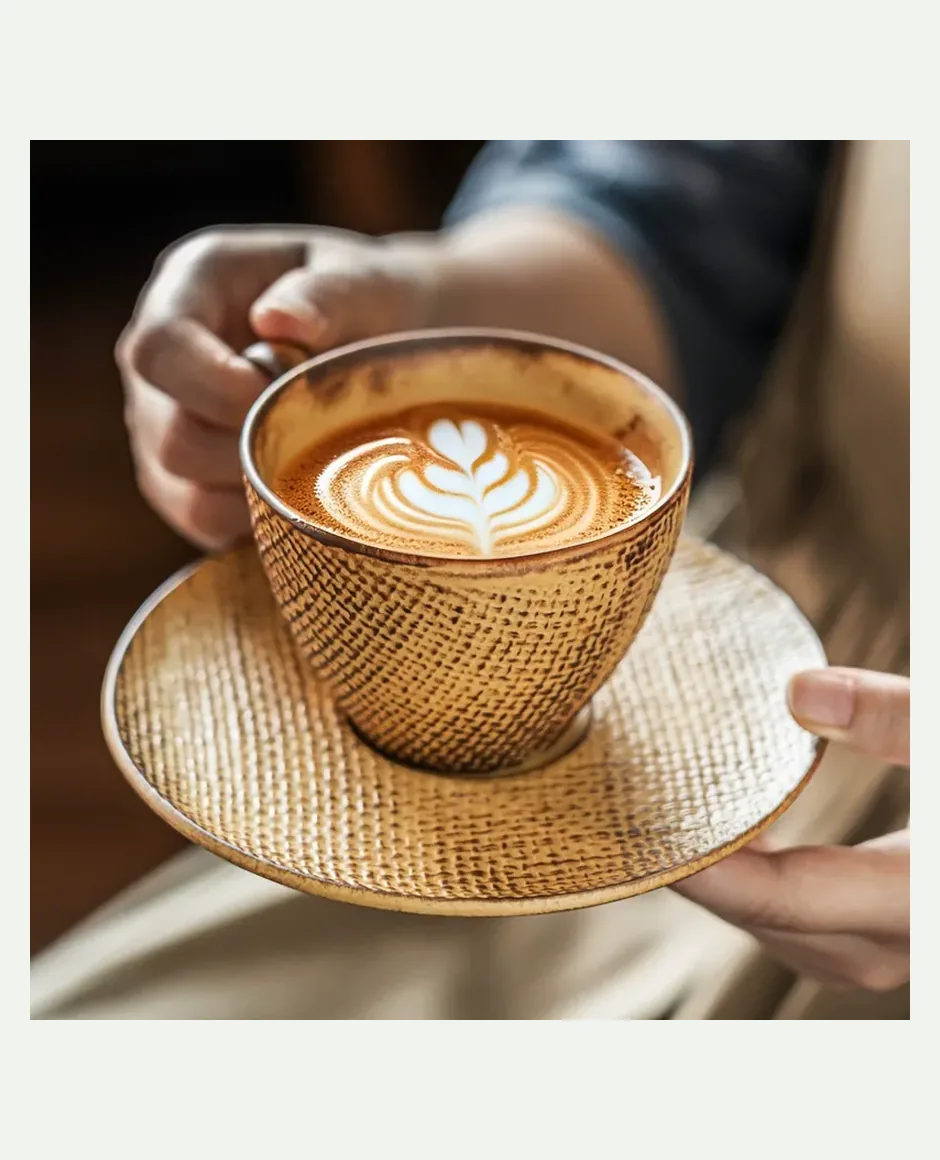
The specialty coffee boom keeps mugs in steady demand, and shoppers now judge them on both feel and appearance. Handle comfort, wall thickness and glaze finish all influence repeat purchase. Carry classic shapes alongside more contemporary profiles to cover different tastes.
Mugs are also the most visible branding opportunity in the range. OEM and private label options let you put a logo or custom design on a product customers use daily, which turns a simple mug into a marketing asset.
Tea drinkers are a loyal, niche audience, and teapots serve them well. Traditional forms appeal to buyers who value ceremony, while modern designs with built-in infusers suit everyday use. This is a category where design differentiation matters more than volume.
Keep the assortment focused rather than broad. A small, well-chosen selection of teapots can lift the perceived quality of your whole tableware shelf and attract gift shoppers looking for something distinctive.
Platters, trays and large serving bowls are tied to entertaining, holidays and gifting. These pieces often carry more elaborate decoration, which justifies a higher price point and stronger margins. Stock a range of sizes so customers can buy for both small gatherings and larger events.
Serving pieces also work as add-on sales. A customer buying a dinner set is a natural candidate for a matching platter, so merchandise them together to raise average order value.
Cafes and restaurants need cups and saucers that survive daily commercial use. Capacity variety is essential, from espresso to latte, and stackability helps hospitality buyers manage storage. Porcelain and bone china are common choices for their clean look and strength.
Commercial buyers often reorder, so reliability matters more than novelty. Confirm that your supplier can repeat the same glaze and shape across shipments, and use AQL pre-shipment inspection to catch inconsistencies before they reach your customers.
Sets simplify the buying decision for customers who want a coordinated table without assembling pieces one by one. Offer a few configurations so shoppers can choose based on household size and budget. Boxed sets also make strong gift items during peak seasons.
Private label sets are a practical way to build your own brand. With OEM options available, you can develop a set that carries your logo and packaging, then scale once sell-through proves the design.
Salt and pepper shakers, butter dishes and small vases round out the range and capture impulse purchases near the checkout or on end caps. These items are low-cost to test and give your brand room for playful, character-driven design.
Accessories also fill gaps in a customer's existing set, which encourages return visits. Rotate them seasonally to keep the shelf looking fresh without overhauling your core lines.
You do not need to commit to large volumes to validate a category. A low minimum order quantity lets you sample demand with a single piece per SKU, and one clear USD unit price per SKU keeps costing simple as you compare options. Request samples, which are typically ready in about 7-10 days, to check glaze, weight and finish before ordering.
Once a style proves itself, scale into custom orders, which generally take 20-35 days after sample approval. In-stock items ship in 7-15 days, so you can restock fast on proven winners. Food-contact testing such as FDA, LFGB and SGS is available on request, and partner factories across Jingdezhen, Chaozhou, Liling and Jingshan support different ceramic styles. Ceramic tableware falls under HS codes 6911 and 6912, which helps your freight forwarder classify shipments correctly.
Build the range category by category, verify quality with samples and inspection, then reinvest in the pieces your customers actually reorder.
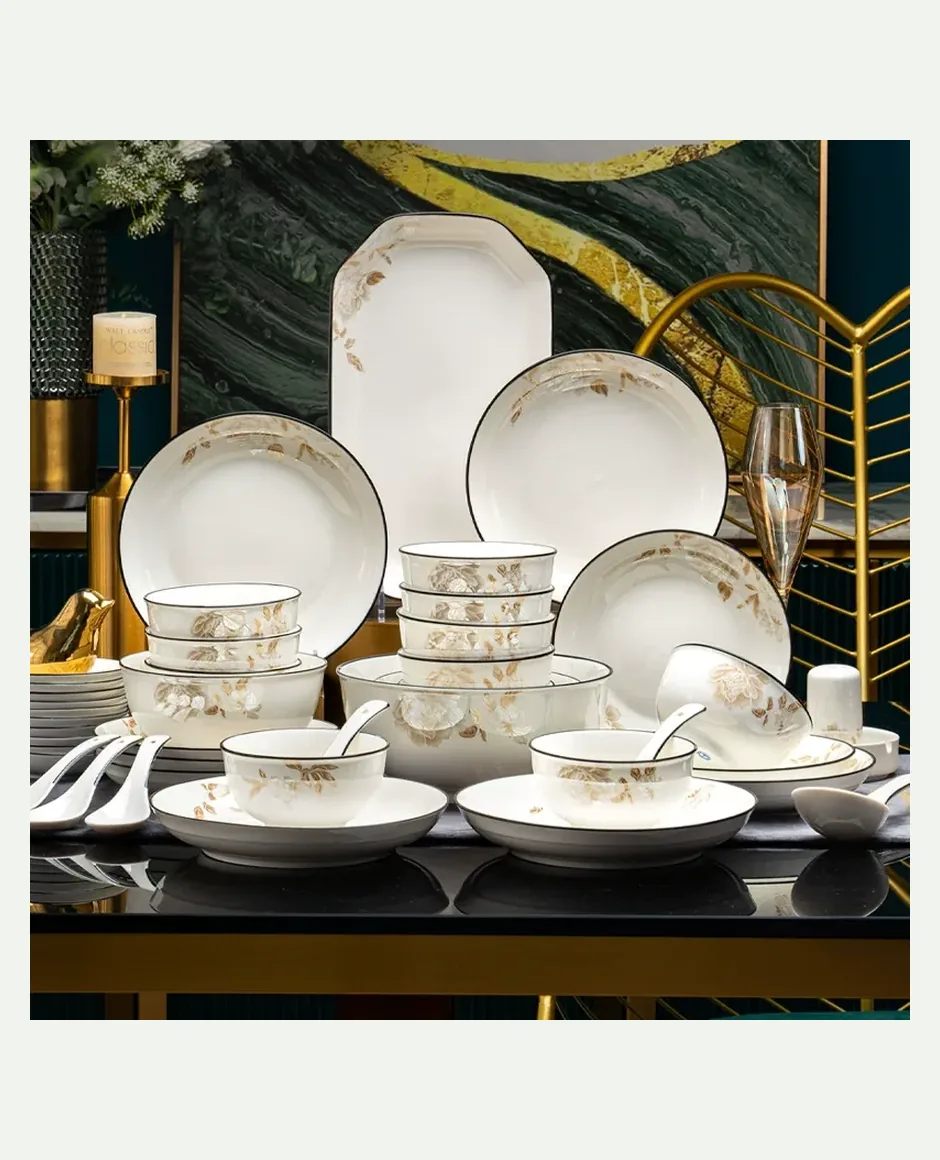
Private label ceramic tableware starts at MOQ 1 piece, with OEM branding available and samples in about 7-10 days for FBA sellers.
Read answer →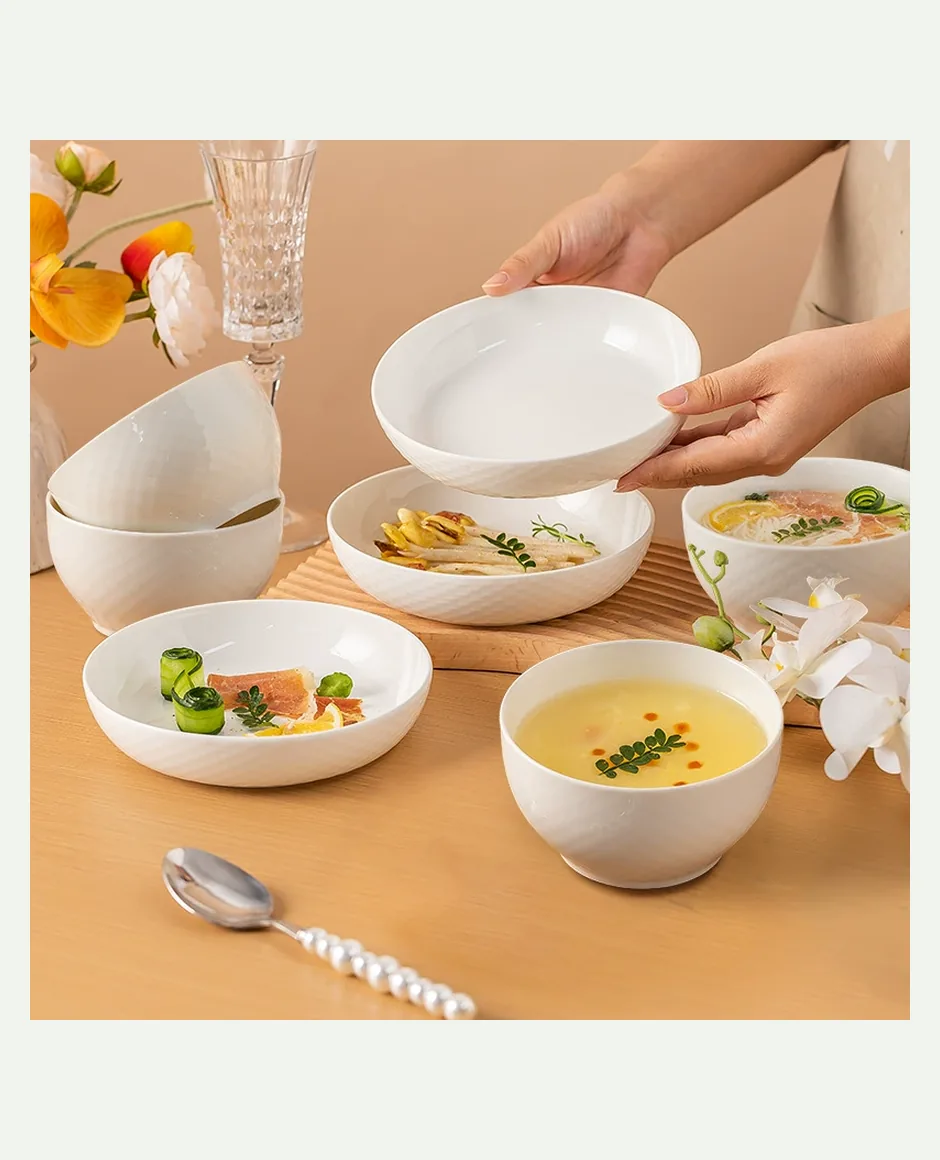
Stoneware resists chipping and thermal shock well, making it a practical choice for heavy daily service.
Read answer →Tell us the product, quantity and destination — we'll reply with pricing and lead time within one business day.
Request a Quote