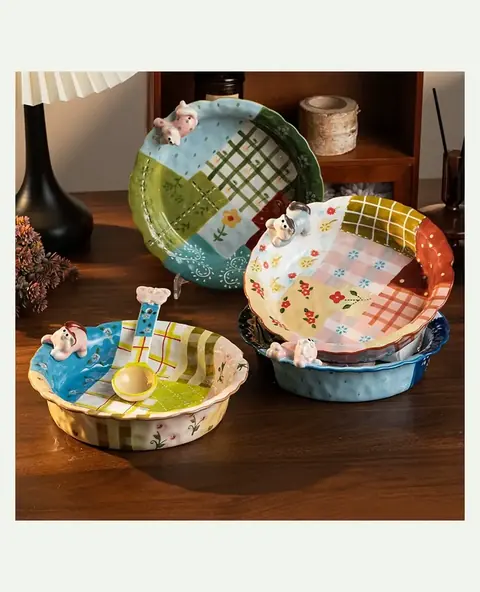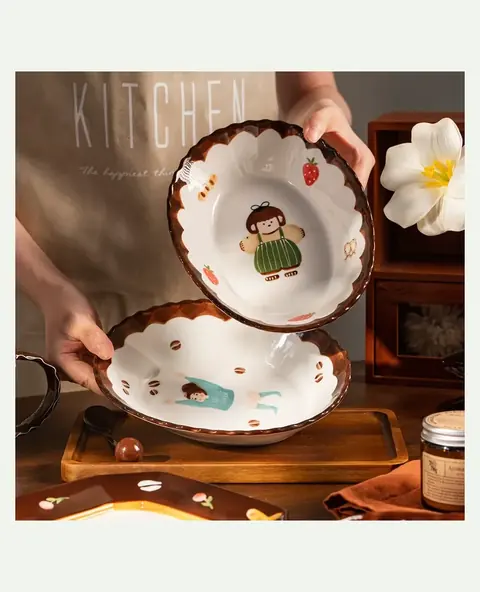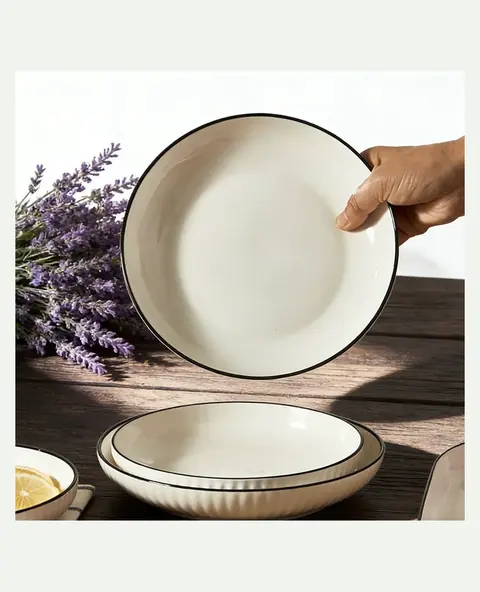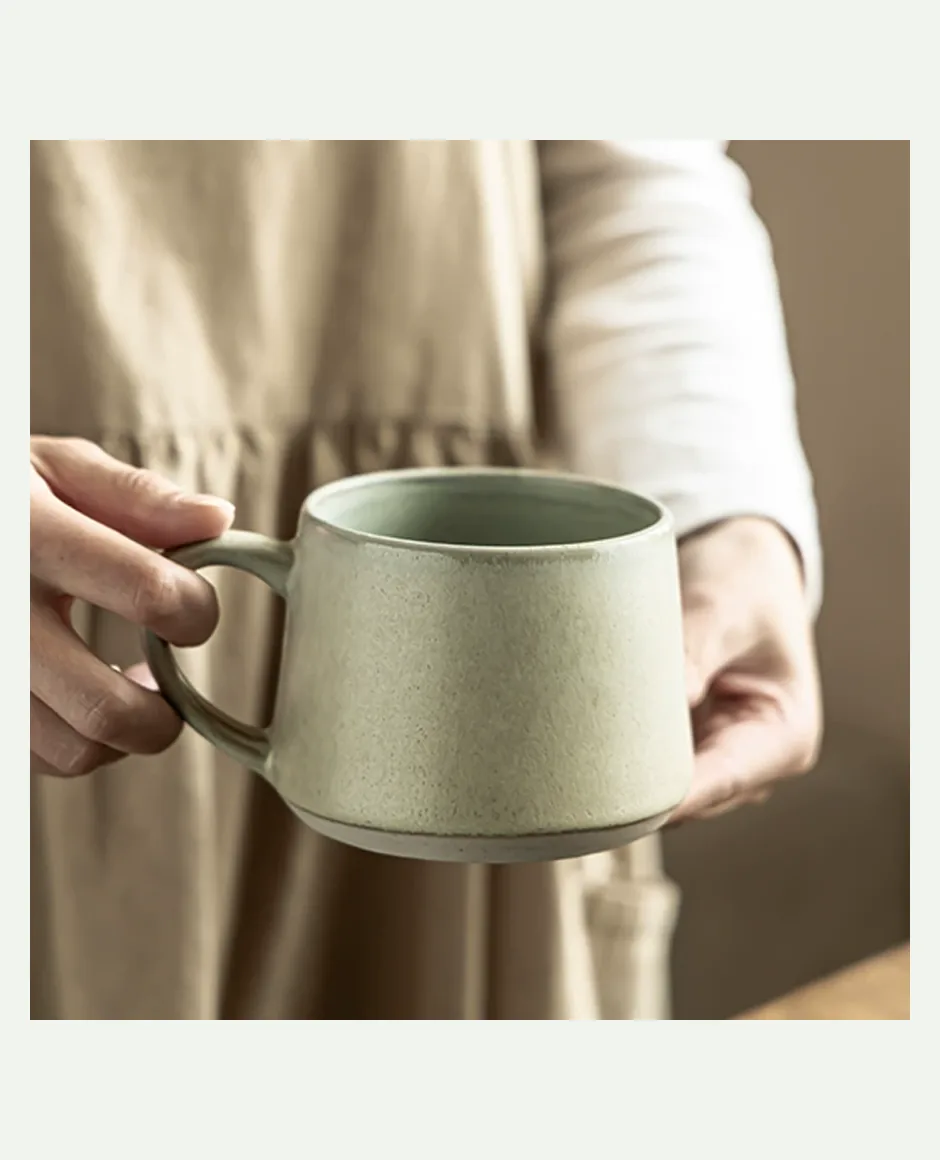
A buyer's guide to ceramic tableware durability: material types, glaze quality, shape design, and testing that reduce replacement costs in busy restaurants.
In a commercial dining room, tableware is handled constantly. Plates are stacked, washed, dropped, and reused many times a day. Every chip or crack removes an item from service and forces a replacement purchase. Over a year, those replacements quietly erode margins.
Durability is therefore a purchasing decision, not just a design preference. The right ceramic body, glaze, and shape can keep your service looking consistent and reduce how often you reorder. This guide covers the factors that matter most when you evaluate suppliers.
The material under the glaze largely determines how tableware performs in daily use. Each option suits a different type of operation.
Porcelain is fired at high temperatures, producing a dense, non-porous body. It resists staining and moisture absorption well, which makes it a common choice for fine dining and hotels.
Bone china includes bone ash, which adds strength and a translucent look. It is lighter in the hand than standard porcelain, which appeals to upscale venues where presentation matters.
Stoneware is heavier and more rustic in character. It handles thermal shock well and suits casual dining, cafes, and venues with high turnover.
Dolomite costs less but is generally less durable. It fits budget operations, occasional use, or decorative service rather than heavy daily washing.
Ask your supplier which body they recommend for your washing method, stacking pattern, and menu style. A body that suits one operation may not suit another.
The glaze seals the ceramic body and protects it from liquids, stains, and everyday wear. A good glaze is smooth, free of pinholes, and resistant to crazing, the fine cracks that can appear over time.
Glaze quality also affects food safety. Because tableware contacts food directly, buyers should confirm that glazes are lead- and cadmium-free. Food-contact testing such as FDA, LFGB, and SGS is available on request from our partner factories. Request the relevant reports for your market before you commit to a large order.
A well-applied glaze also makes cleaning easier. Fewer stains and less scrubbing mean less handling damage and a longer service life for each piece.
Form matters as much as material. Small design details influence how tableware survives stacking, washing, and service.
Rolled or reinforced edges on plates help resist chipping at the rim, which is where most damage starts. Stackable designs save storage space and reduce the chance of items knocking together during transport and storage.
For mugs and cups, check the handle attachment. A sturdy, well-formed handle copes better with daily use than a thin or overly delicate one. Avoid shapes with narrow, protruding parts that catch on racks or shelves.
Consider your existing storage and dishwashing setup. Tableware that fits your racks and stacking habits will last longer than pieces that are forced into spaces they were not designed for.
Durability claims are easy to make. Verification is what separates a reliable supplier from a risky one.
Ask about quality control procedures, including impact and thermal shock testing where relevant. Ask whether pre-shipment inspection is available; AQL inspection before shipment gives you a documented check on the order before it leaves the factory.
Request samples and test them in your own environment. Our samples are made in about 7-10 days, so you can evaluate weight, glaze feel, and stacking before committing. MOQ is 1 piece, which makes small trial orders practical.
Confirm pricing and lead times clearly. We quote one single USD unit price per SKU, so there are no hidden tiers to decode. In-stock orders ship in 7-15 days, while custom orders take 20-35 days after sample approval. OEM and private label options are available if you want your own branding.
Our partner factories are located in Jingdezhen, Chaozhou, Liling, and Jingshan, giving you access to established ceramic production regions. Export cartons protect the goods in transit.
Start with the body that matches your service style, then confirm glaze safety and quality, then choose shapes that suit your storage and washing. Test samples before scaling up, and ask for the food-contact test reports your market requires.
Durable tableware is a long-term investment. Choosing carefully at the buying stage reduces replacements, protects your presentation standards, and keeps costs predictable. Contact us to discuss your requirements and request samples for your own kitchen trial.
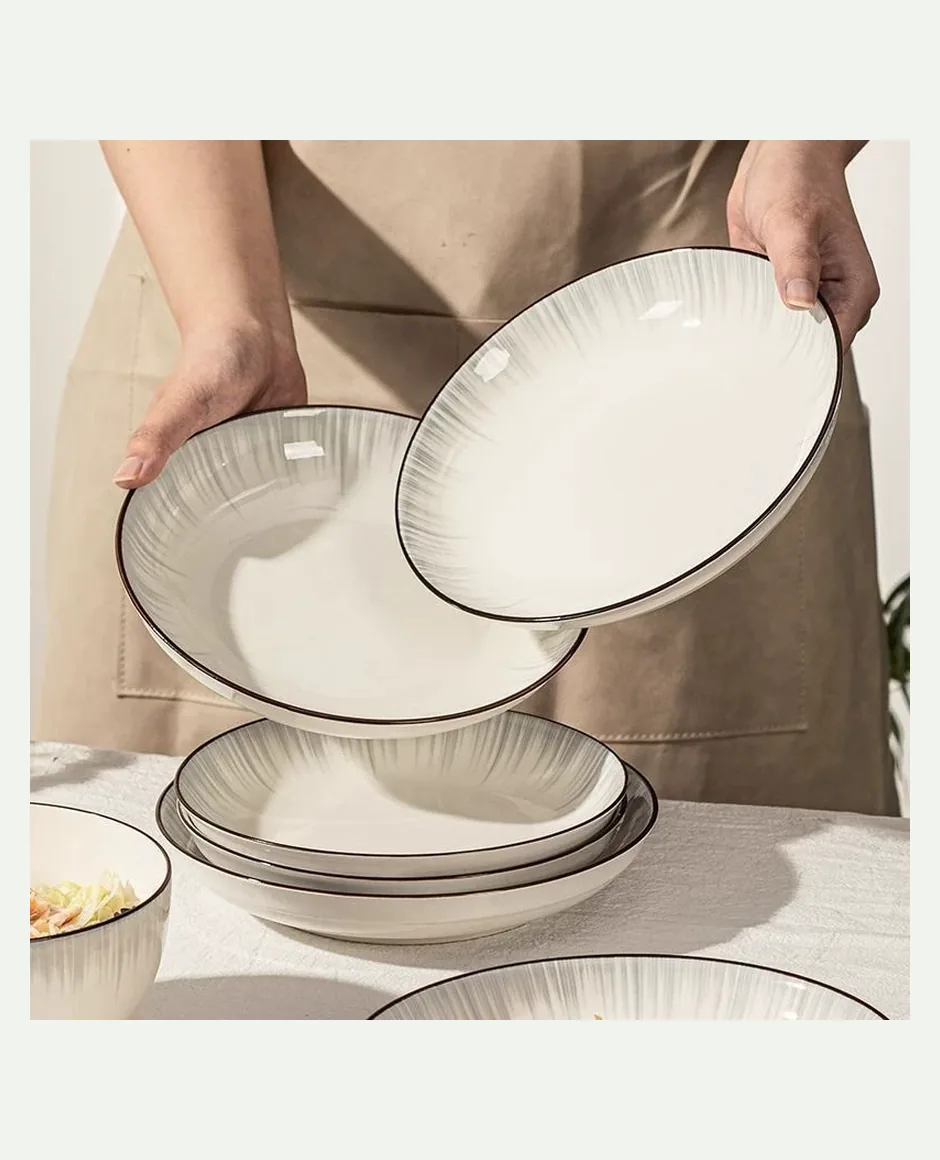
Yes—10-inch is a standard dinner plate size we produce in porcelain and stoneware, available for sampling and volume orders.
Read answer →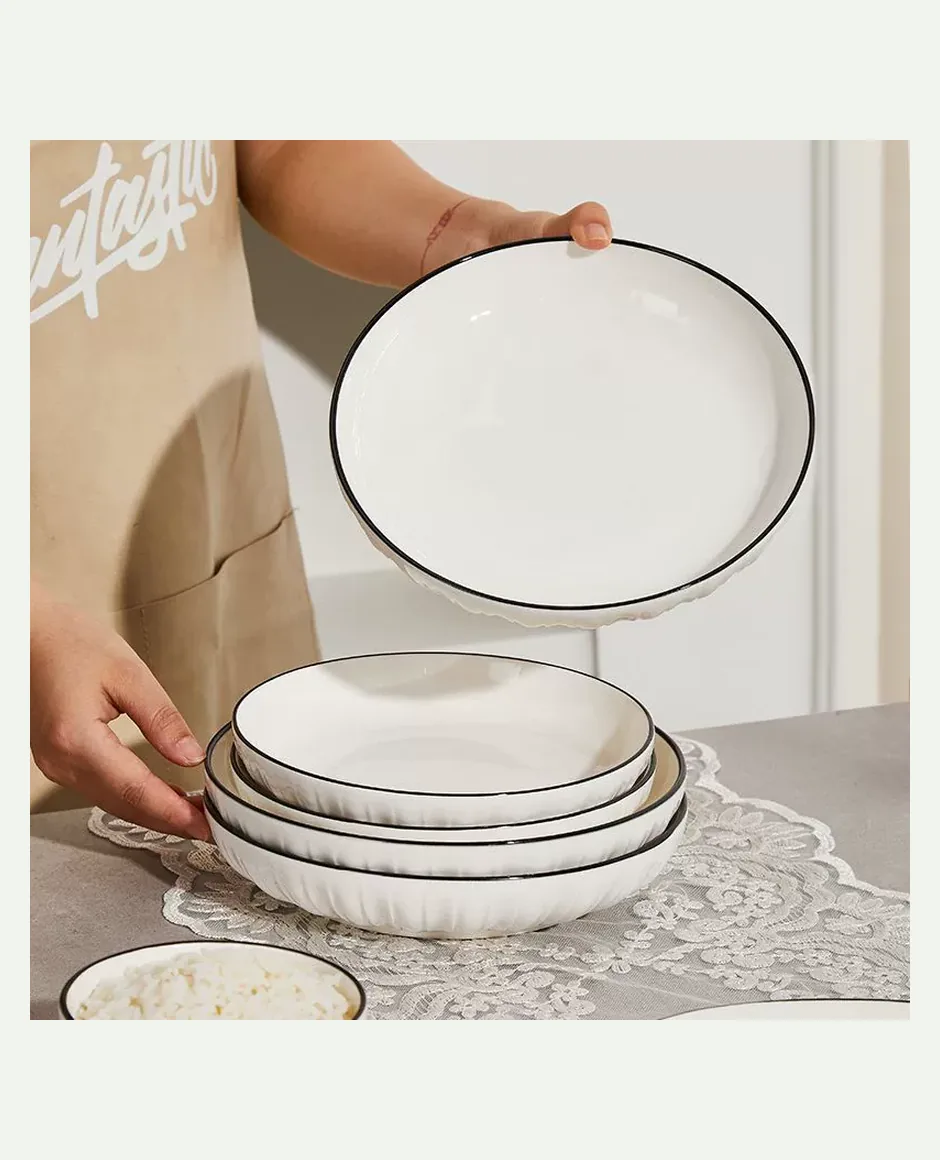
Vitreous china is dense and non-porous with a stain-resistant glaze, a solid pick for busy restaurant dinner plates.
Read answer →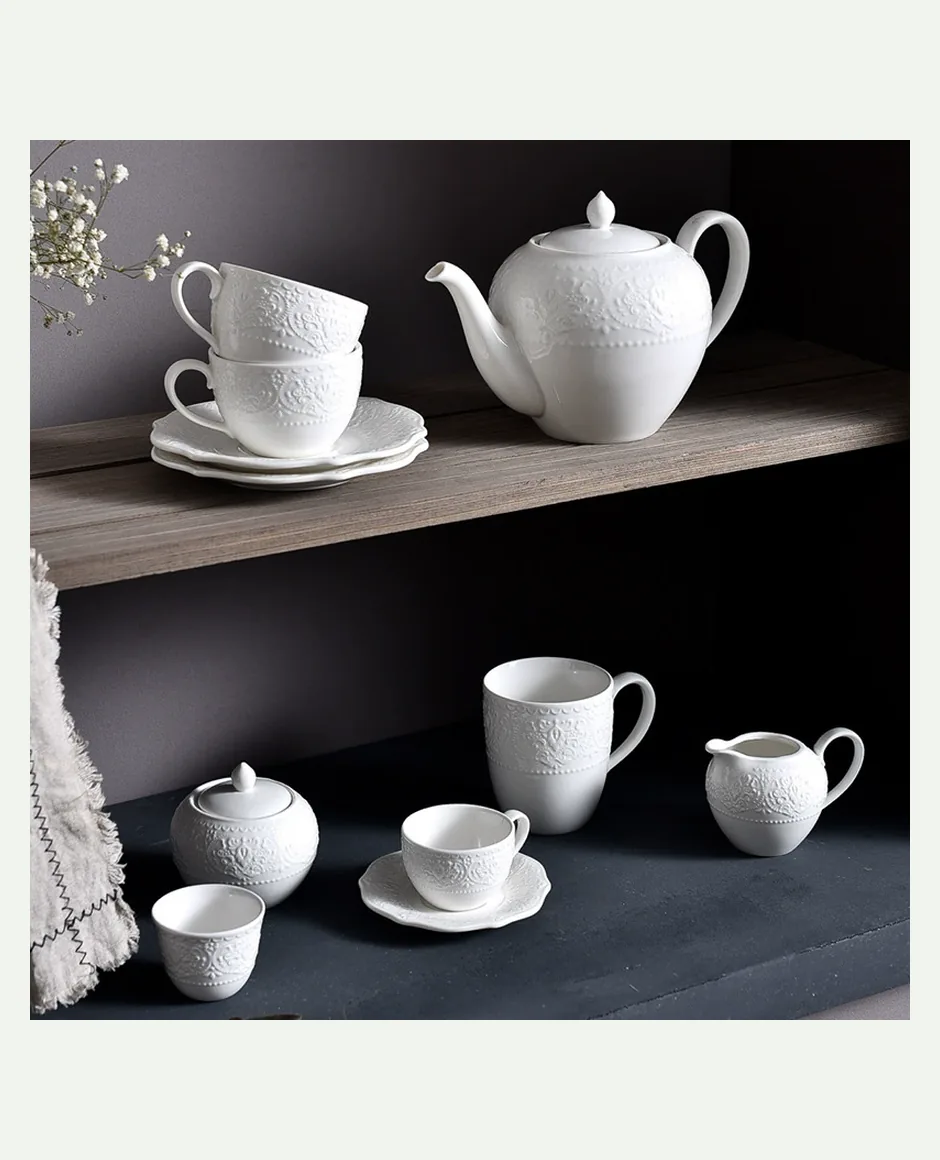
Every teapot is inspected for chips, cracks and glaze defects before packing, with AQL pre-shipment inspection available.
Read answer →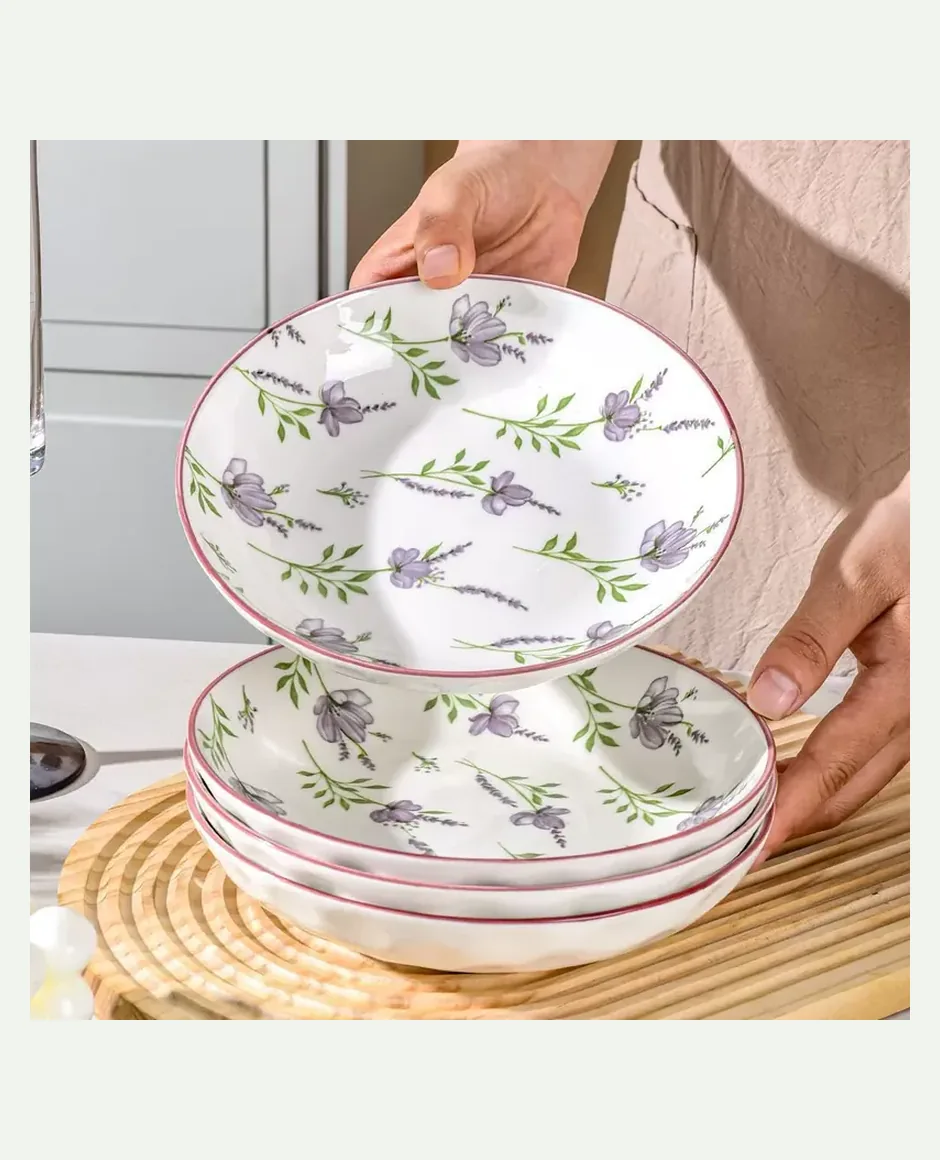
Plates are wrapped and cushioned inside export cartons, with AQL pre-shipment inspection before the order ships.
Read answer →Tell us the product, quantity and destination — we'll reply with pricing and lead time within one business day.
Request a Quote