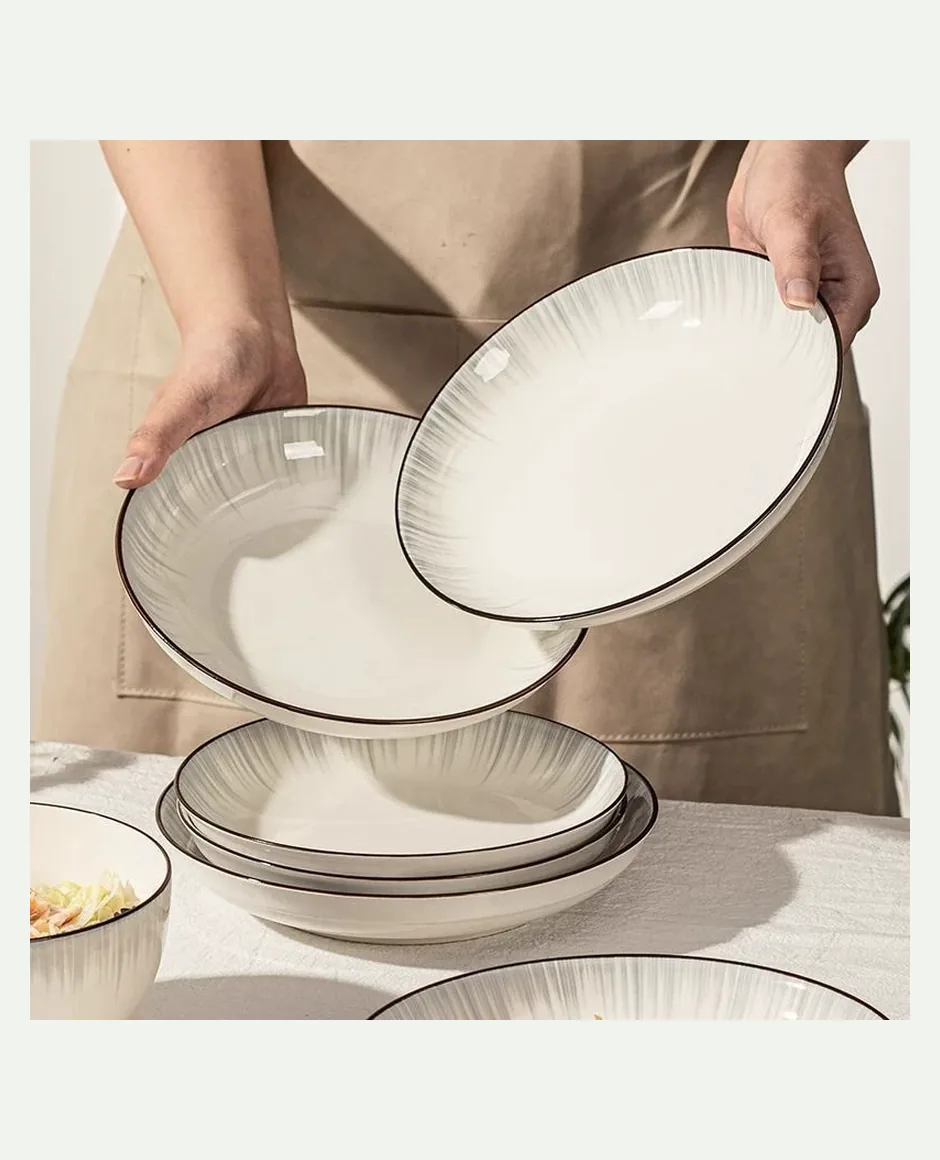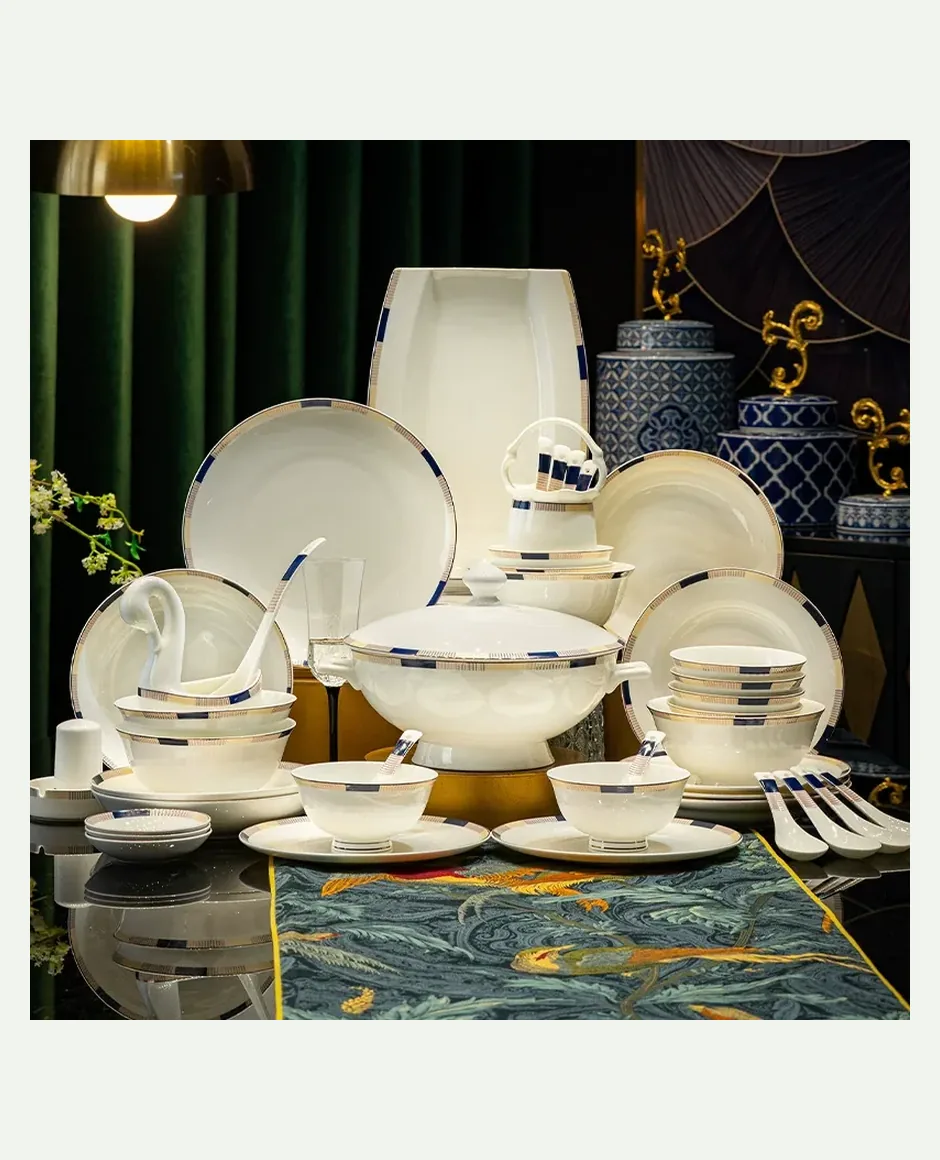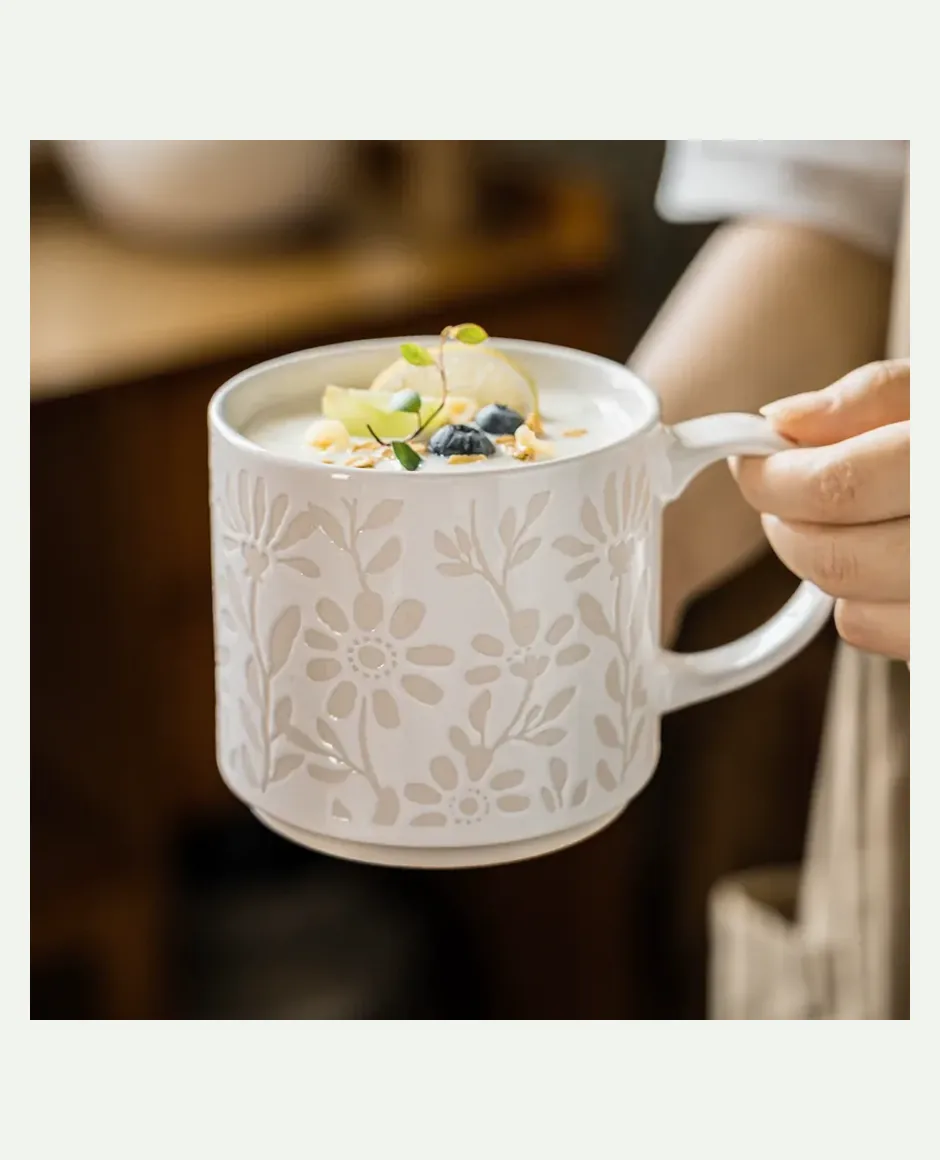
How OEM ceramic tableware works: decal types, artwork prep, sampling, MOQs, testing, and lead times for building your own branded line.
For restaurants, hotels, and retailers, branded ceramics do more than carry food. They put your name in front of guests at every meal and give your range a shelf identity that generic stock cannot match. OEM production lets you take an existing shape or develop something new and make it exclusively yours.
The practical question is not whether to customize, but how to do it without wasting samples, budget, or launch dates. This guide walks through the decisions that matter: decoration method, artwork, minimums, sampling, testing, and shipping.
Ceramic decoration with a logo usually means decals, and there are two routes. Underglaze decals go on before the glaze, so the fired glaze seals them in. The result is durable and well suited to pieces that see heavy use and repeated washing.
Overglaze decals sit on top of the glaze and are fired at a lower temperature. That opens up a wider color range and finer detail, which is why logos and intricate artwork often go this way. The trade-off is less resistance to abrasion over time, so consider where the piece will be used.
Decals can be produced in full color or a single color. Send vector artwork where possible, and expect ceramic colors to shift slightly from what you see on a screen. A physical sample is the only reliable proof.
Private label covers more than a printed mark. It can include your brand name, your packaging, and in some cases a shape developed for your range. You can brand an existing style or start from a new design.
Minimum order quantity starts at one piece, so small runs and market tests are possible. Every SKU carries a single USD unit price, which keeps quoting simple when you compare options. OEM and private label services are available, and samples are typically ready in about 7–10 days.
The process is straightforward if you prepare well. Share high-resolution artwork, confirm color expectations in writing, and review the physical sample for look and feel before approving. Once the sample is signed off, custom orders take 20–35 days.
Food-contact safety should be settled early. FDA, LFGB, and SGS food-contact testing is available on request, and reports can support your compliance file. Partner factories in Jingdezhen, Chaozhou, Liling, and Jingshan cover a broad range of ceramic bodies and finishes.
Custom packaging—boxes, inserts, labels—protects the brand experience as much as the product. Before shipment, AQL pre-shipment inspection checks the order against your approved standard. Goods travel in export cartons, and ceramic tableware is classified under HS 6911 for porcelain and 6912 for other ceramics.
In-stock orders ship in 7–15 days. Custom orders follow the 20–35 day window after sample approval, so build both production and transit time into your launch plan.
Confirm the decoration method against how the piece will be used. Supply vector artwork and agree on color tolerance. Approve a physical sample. Decide on packaging and request test reports if your market requires them. Then lock your quantities and ship dates. Handled in that order, a custom tableware program runs predictably from first decal to final carton.
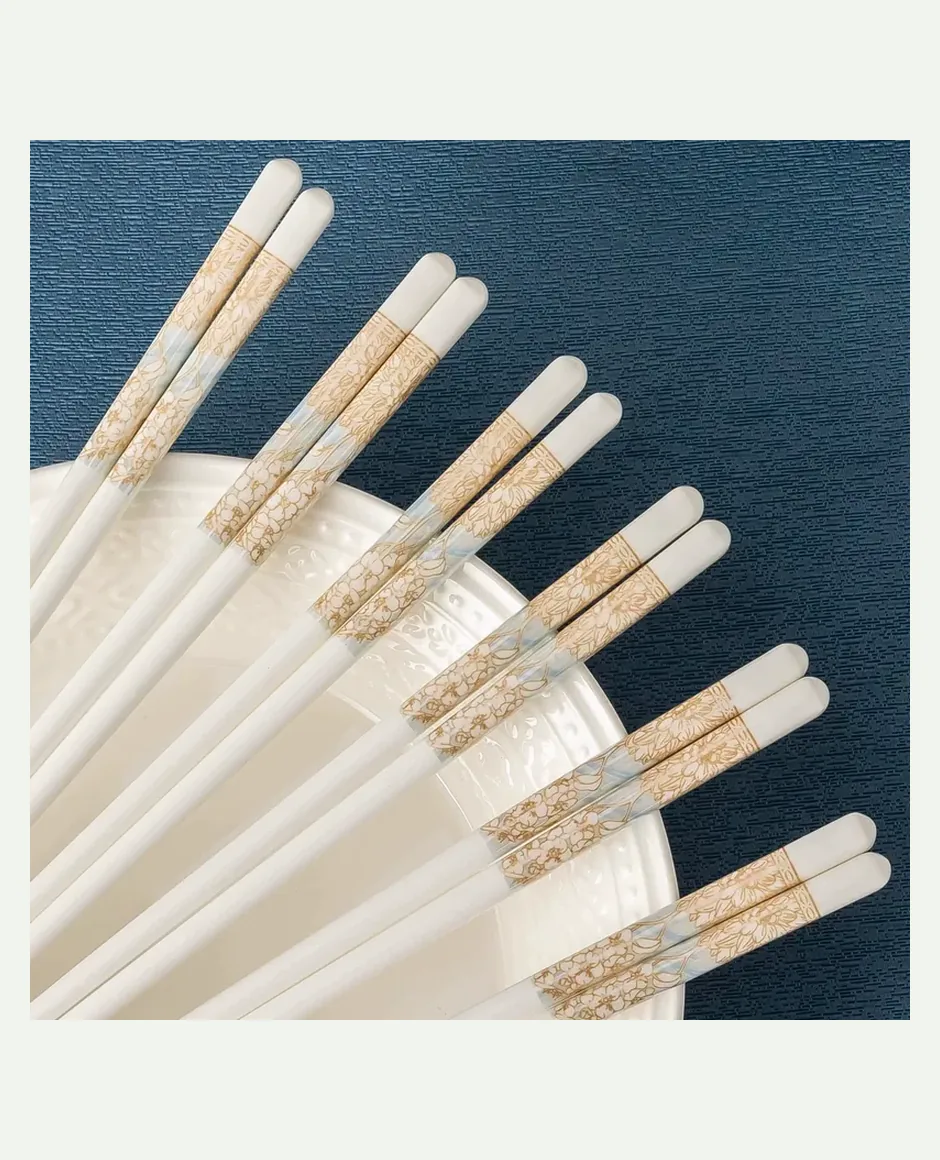
Custom shapes and private label are available, with samples in about 7-10 days and bulk production after approval.
Read answer →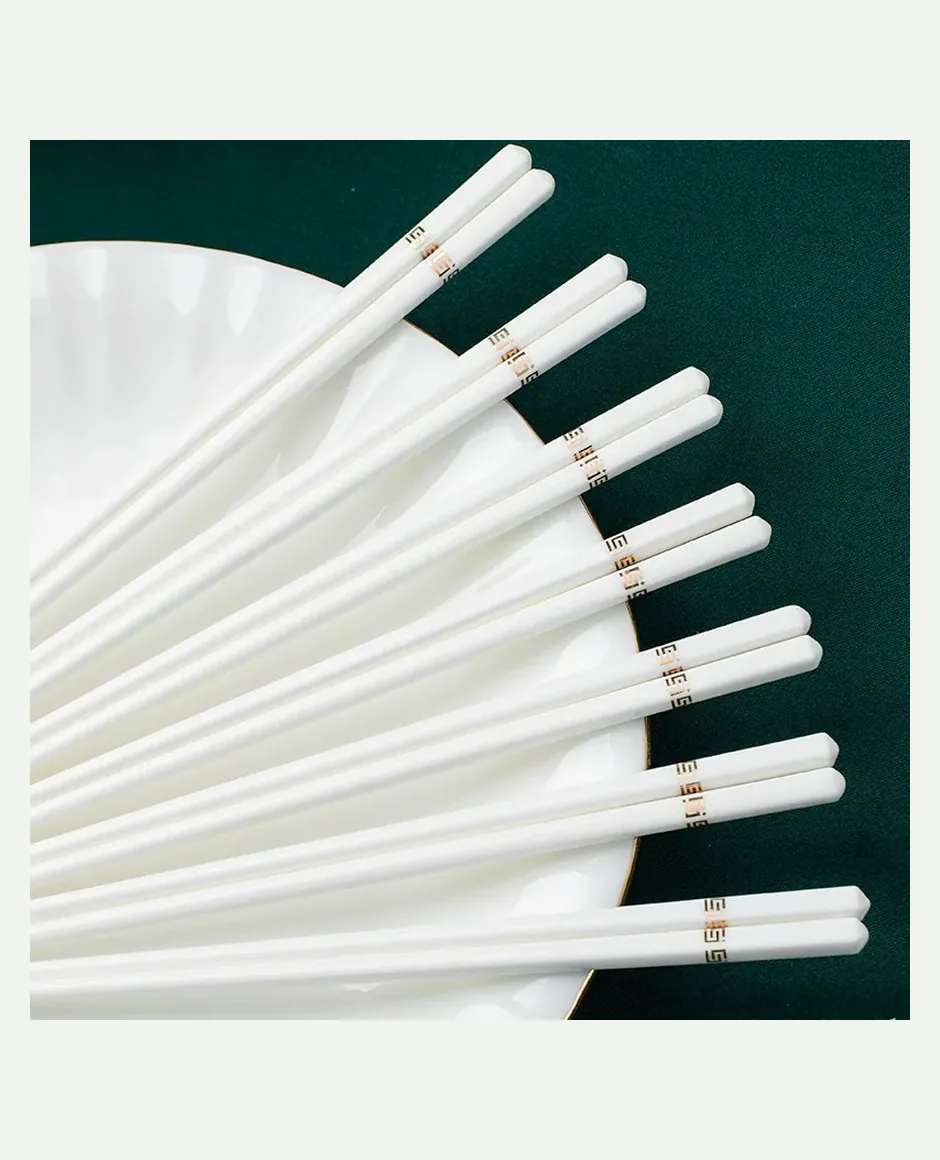
Yes—custom decals are available through OEM and private label with an MOQ of 1 piece, and samples take about 7-10 days.
Read answer →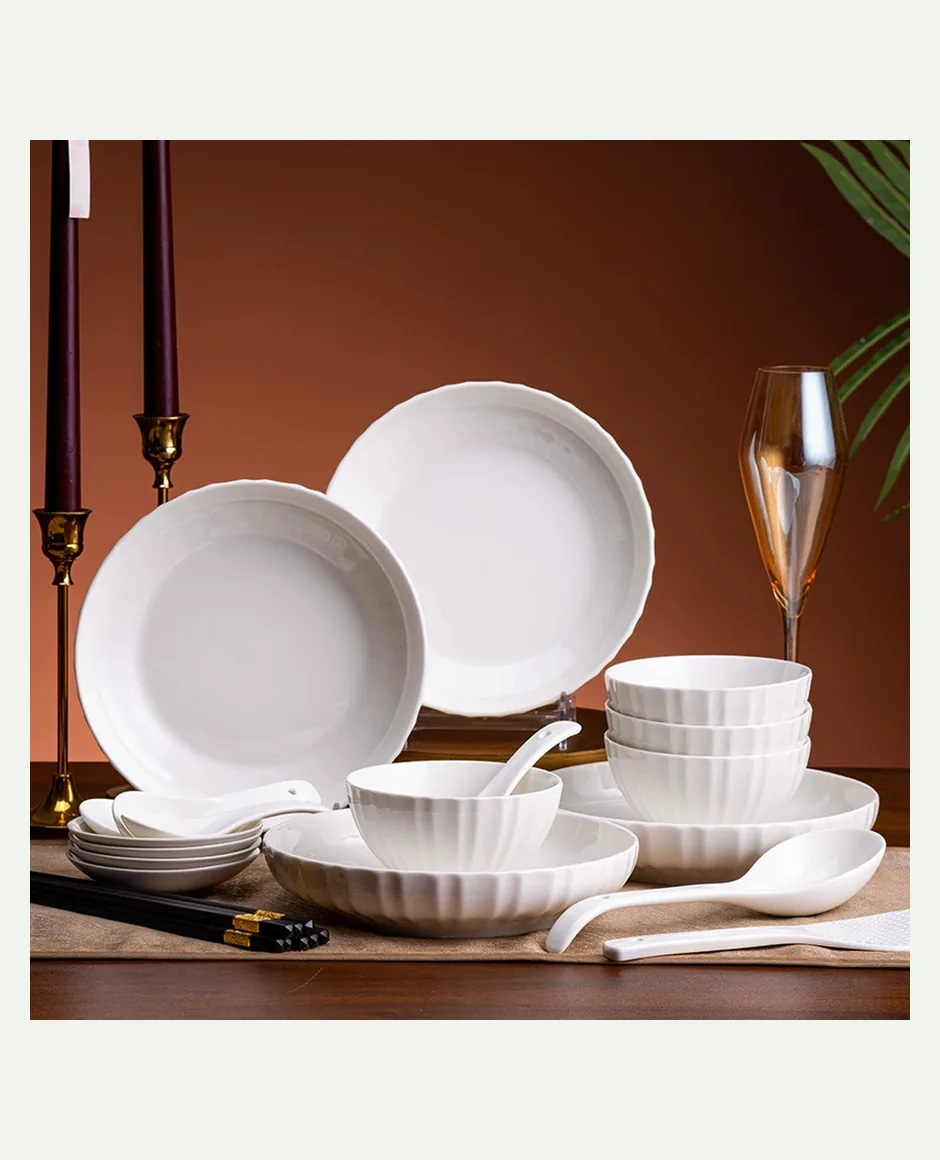
Yes—custom gift boxes with your branding are available through OEM and private label, and our MOQ is just 1 piece.
Read answer →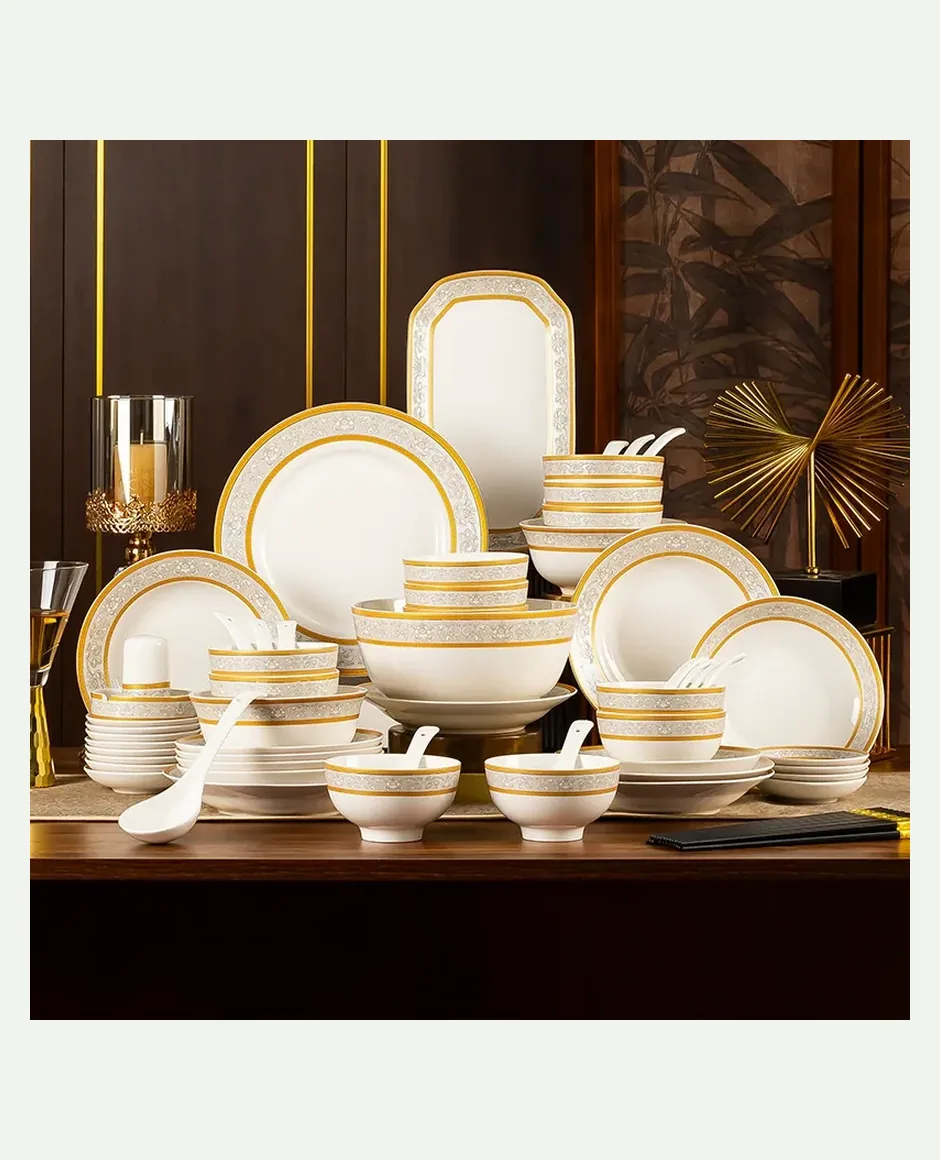
Yes—custom decals can be fired onto each piece of your dinner set, with OEM and private label options available from 1 piece.
Read answer →Tell us the product, quantity and destination — we'll reply with pricing and lead time within one business day.
Request a Quote