A buyer's guide to how bone china, porcelain and stoneware differ in look, strength and price, so you can match each body to the right shelf or table.
Most buyers start with decoration: a rim shape, a glaze color, a printed motif. But the ceramic body underneath decides how the piece feels in the hand, how it survives a busy service, and what it costs to land in your warehouse. Get the body right and the rest of the range falls into place. Get it wrong and you end up with returns, breakage or a price point your customers won't accept.
This guide covers the three bodies you will meet most often in export catalogs, plus the lower-cost alternative many factories now offer. For each one, we focus on what matters to a retailer or hospitality buyer: appearance, durability, weight, and where it sits on price.
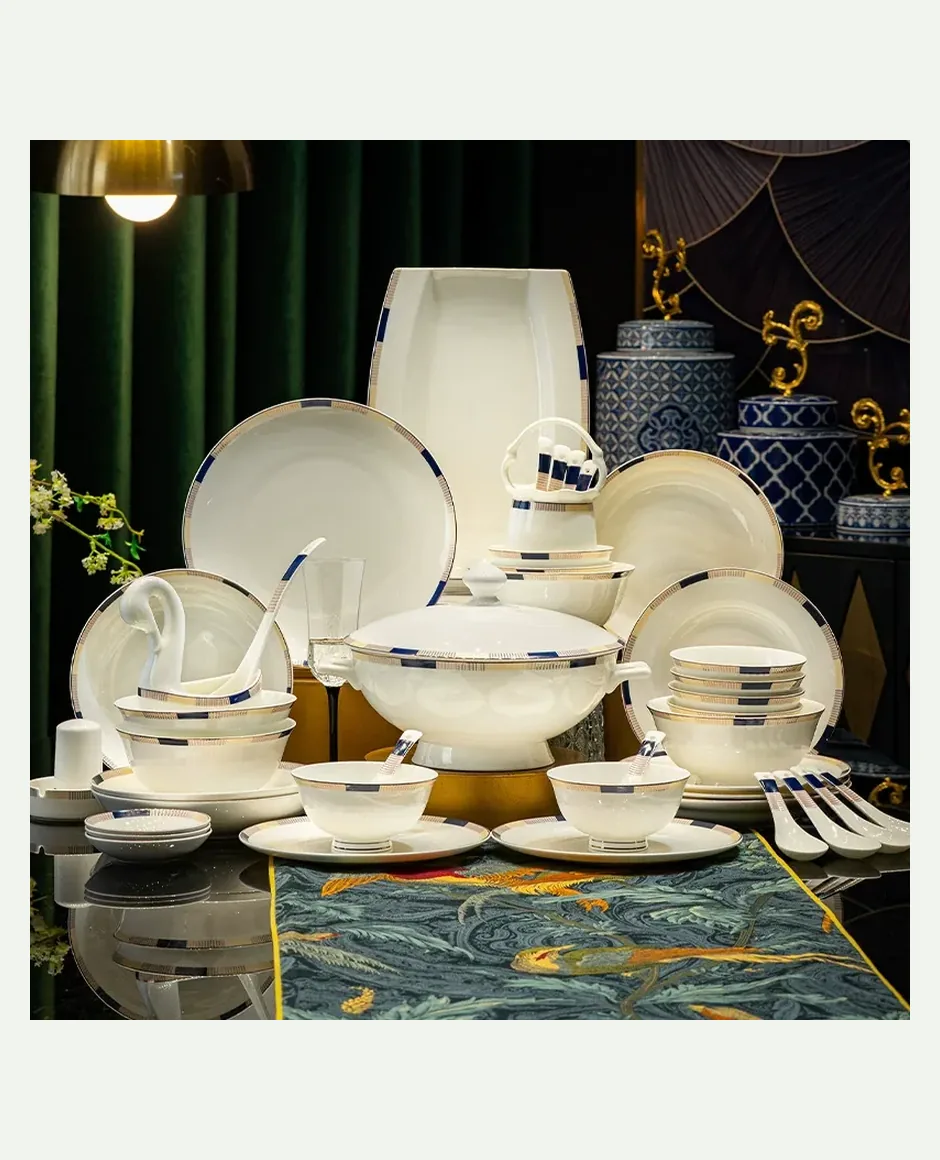
Bone china is the classic fine-dining body. Its defining quality is translucency: hold a cup to the light and you can see a warm glow through the wall. The surface is a clean, bright white, and the piece feels noticeably lighter than other ceramics of the same size.
That lightness does not mean fragility. Bone china is known for good chip resistance in normal use, which is why upscale hotels and restaurants specify it for afternoon tea and formal service. The trade-off is cost. The raw materials and the firing process make it the most expensive of the common bodies, and it rewards careful handling in storage and dishwashing.
Choose bone china when your brand leans on elegance, gifting, or a premium table setting, and when your customer expects to pay for that. It is a statement body, not a workhorse for high-volume casual dining.
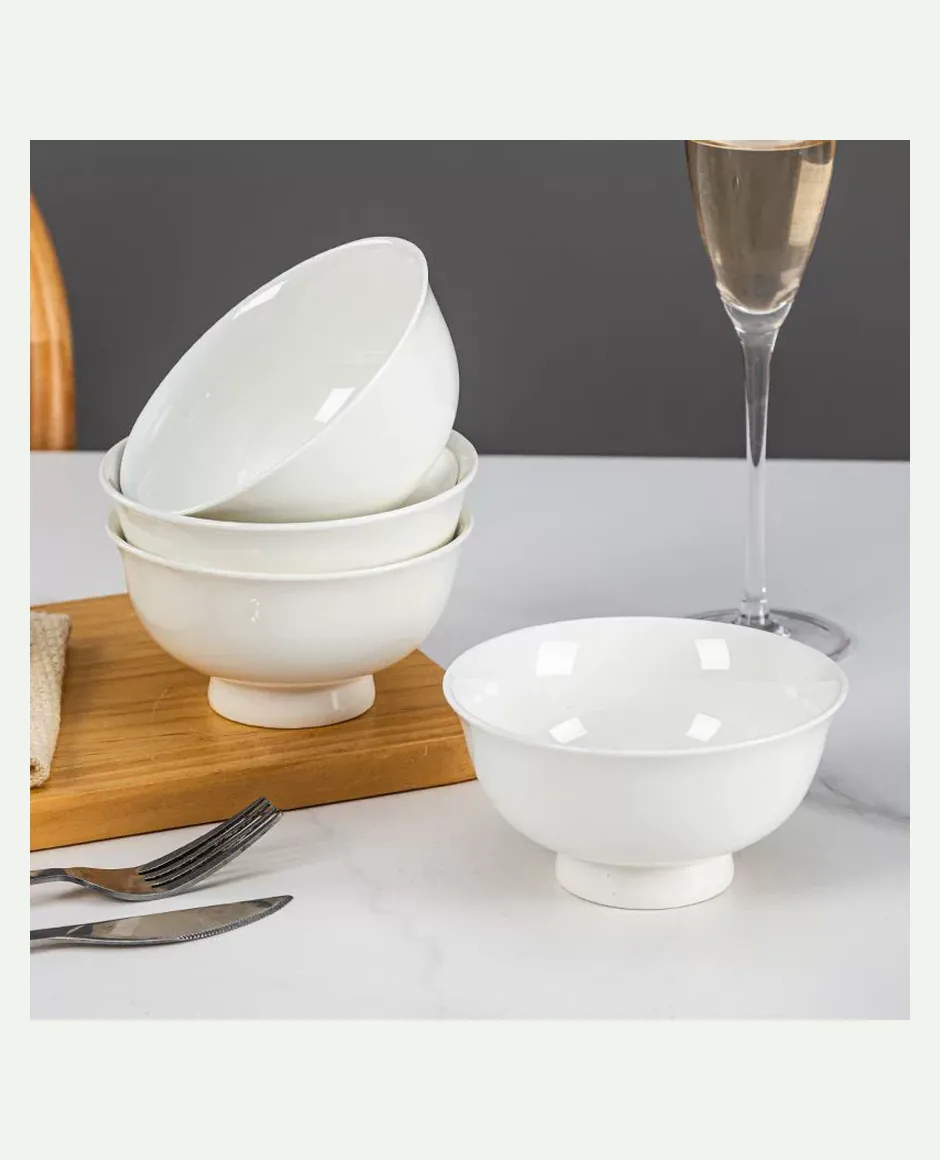
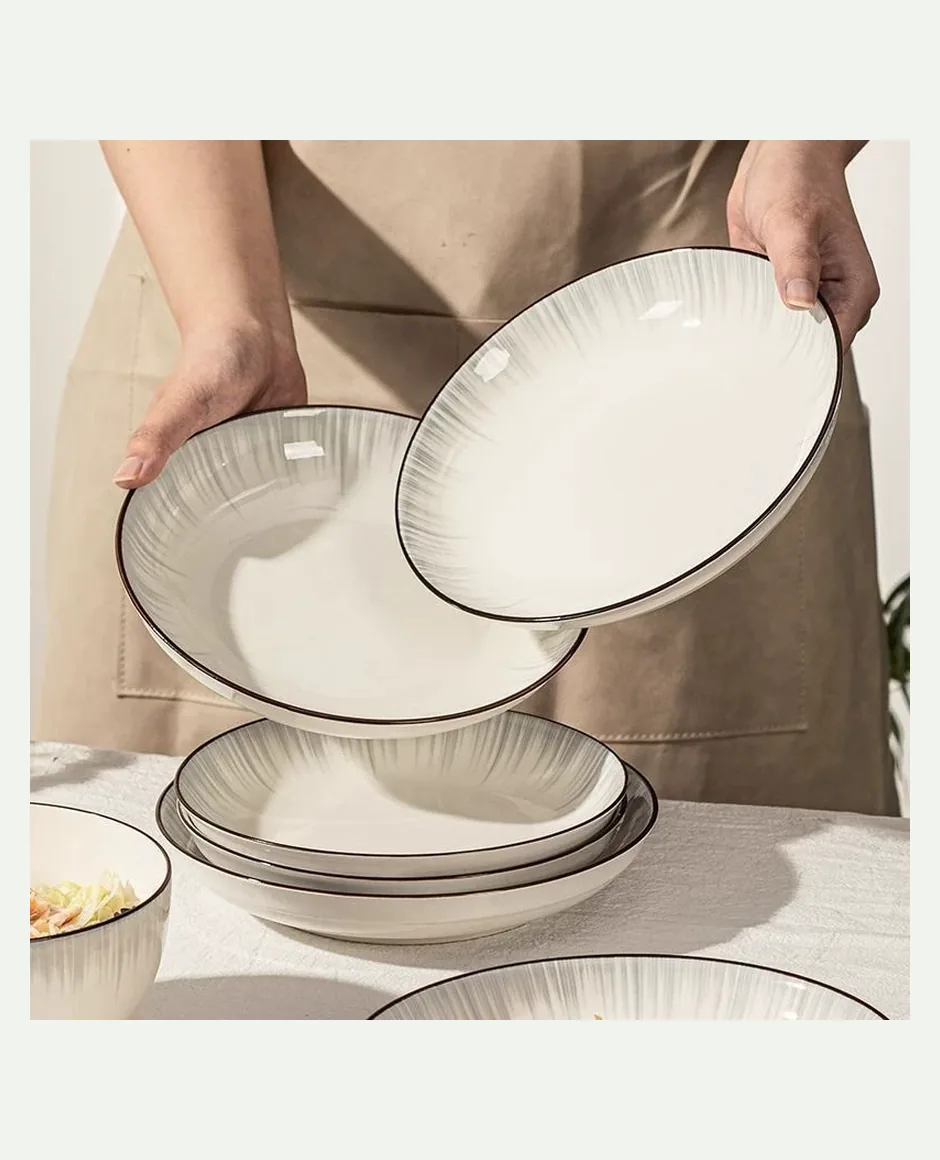
Porcelain is fired at high temperature, which produces a dense, vitrified body that does not absorb liquid. It reads as white or ivory, takes both underglaze and overglaze decoration well, and holds its shape through repeated washing.
For most buyers, porcelain is the safest default. It sits comfortably between bone china and stoneware on price, works for casual and formal settings alike, and suits hotels, cafes and home retail without looking out of place in any of them. If you are building a single core range and want one body to carry it, porcelain is usually the answer.
It is also the easiest body to scale. Because it is widely produced, you can extend a successful line with new shapes and sizes without rethinking your supplier base.
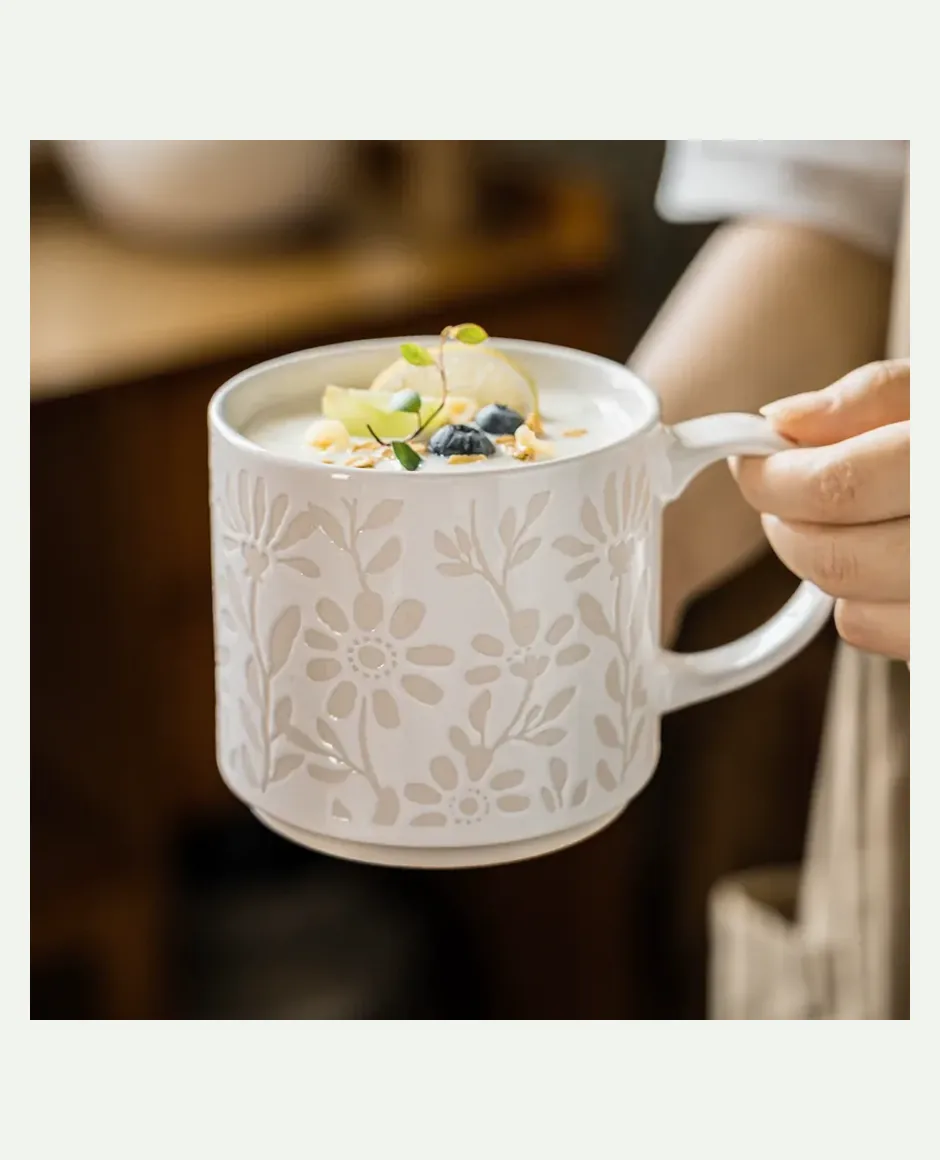
Stoneware is fired at a lower temperature than porcelain. The result is a heavier, more opaque body with an earthy character that many buyers deliberately want. Reactive glazes, speckled surfaces and matte finishes all sit naturally on stoneware.
It is durable and chip-resistant, and it is the most affordable of the three main bodies. The catch is that it will not give you the bright white or the translucency of porcelain or bone china, and the extra weight matters for shipping costs and for staff carrying stacks during service.
Stoneware suits cafes, farm-to-table restaurants, and retail lines built around a casual, handcrafted look. If your customer is buying for atmosphere rather than formality, this is the body to shortlist.
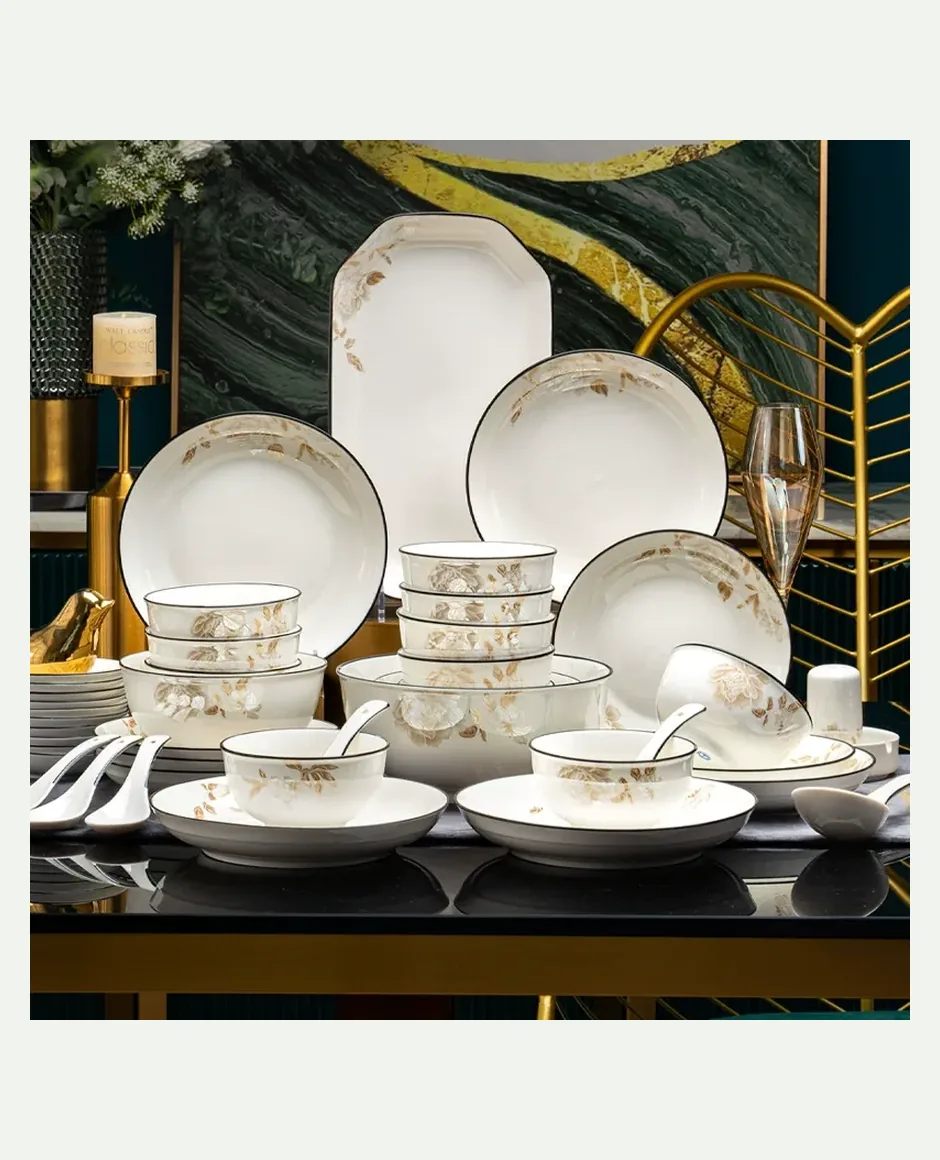
Some factories produce what is sold as new bone china. It uses alternative mineral materials rather than bone ash, yet delivers a bright white body and a look close to true bone china at a lower cost.
It is a practical compromise for buyers who want the fine-china aesthetic but cannot support a bone china price at retail. Be clear with your supplier about which body you are ordering and label it accurately on your packaging and product pages, so your customers know exactly what they are buying.
Start with your channel. Premium gift and fine-dining accounts point to bone china or new bone china. Hotels, cafes and general home retail are well served by porcelain. Casual and rustic concepts fit stoneware. Then check weight in hand, because customers notice it before they notice anything else, and confirm the price your margin can carry.
You do not have to commit to one body across a whole range. Testing is cheap: our minimum order is one piece per SKU, with a single USD unit price for each item, so you can order samples of several bodies and compare them side by side before placing a production order. OEM and private label are available, and FDA, LFGB and SGS food-contact testing can be arranged on request. Samples are typically ready in about 7-10 days, in-stock orders ship in 7-15 days, and custom orders take 20-35 days after sample approval. Ceramic tableware falls under HS codes 6911 and 6912. Pre-shipment inspection is carried out to AQL, and all goods are packed in export cartons.
New bone china costs less and looks similar, but it holds less bone ash and is less translucent than traditional bone china.
Read answer →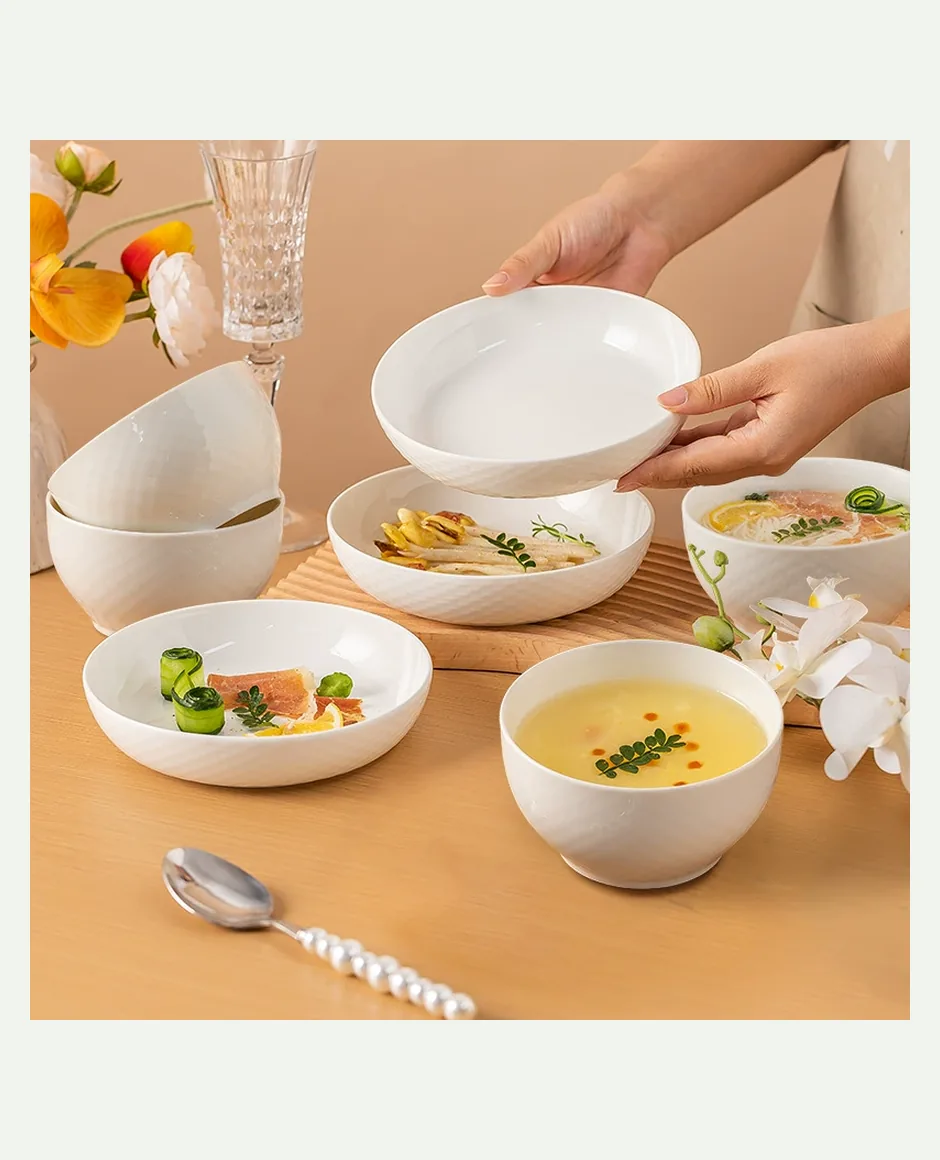
Bone china offers translucency and a refined feel; porcelain is denser and more chip-resistant. The right pick depends on use.
Read answer →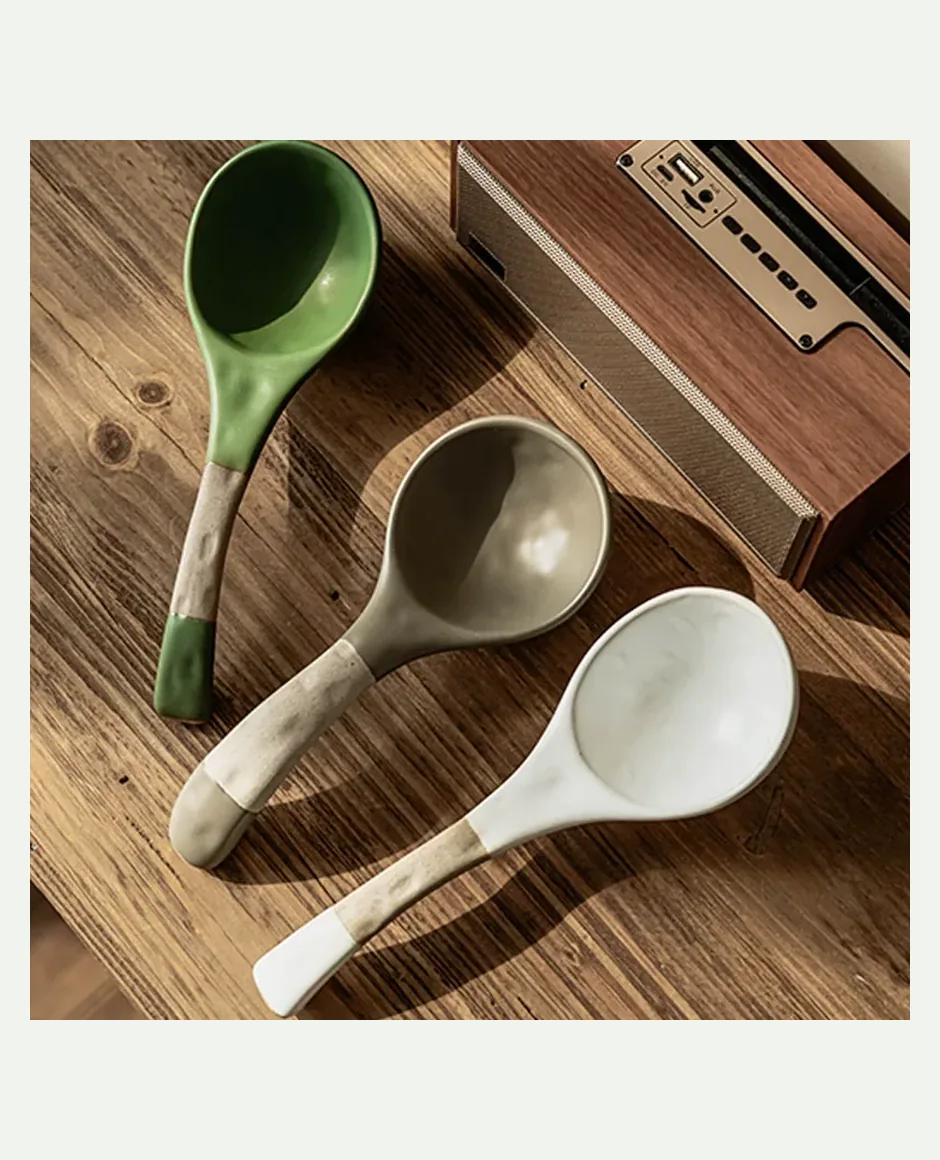
Porcelain gives a finer, more refined finish; stoneware is heavier and more durable. Both are food-safe options for your utensil holder line.
Read answer →
Porcelain is fired hotter, so it is denser and more chip-resistant; dolomite is lighter and costs less but wears faster.
Read answer →Tell us the product, quantity and destination — we'll reply with pricing and lead time within one business day.
Request a Quote