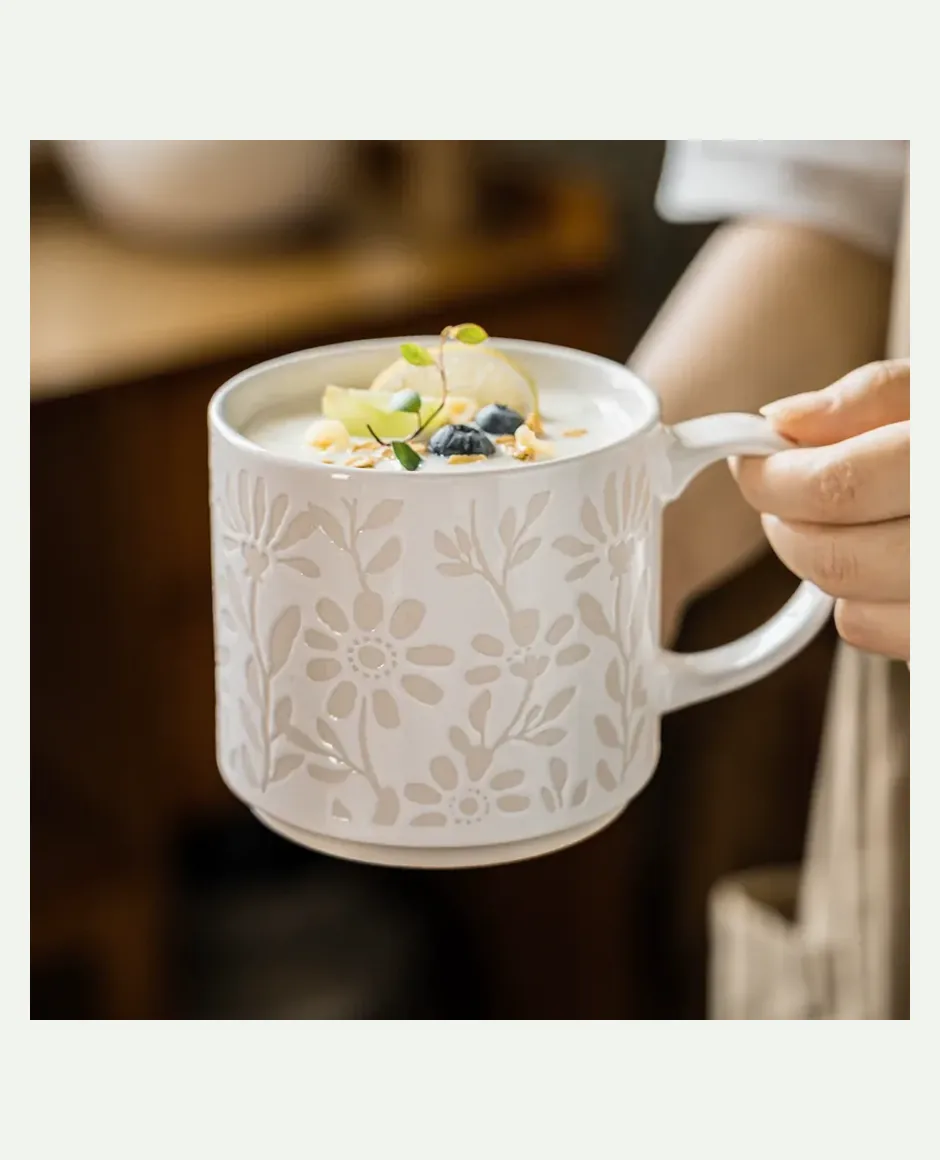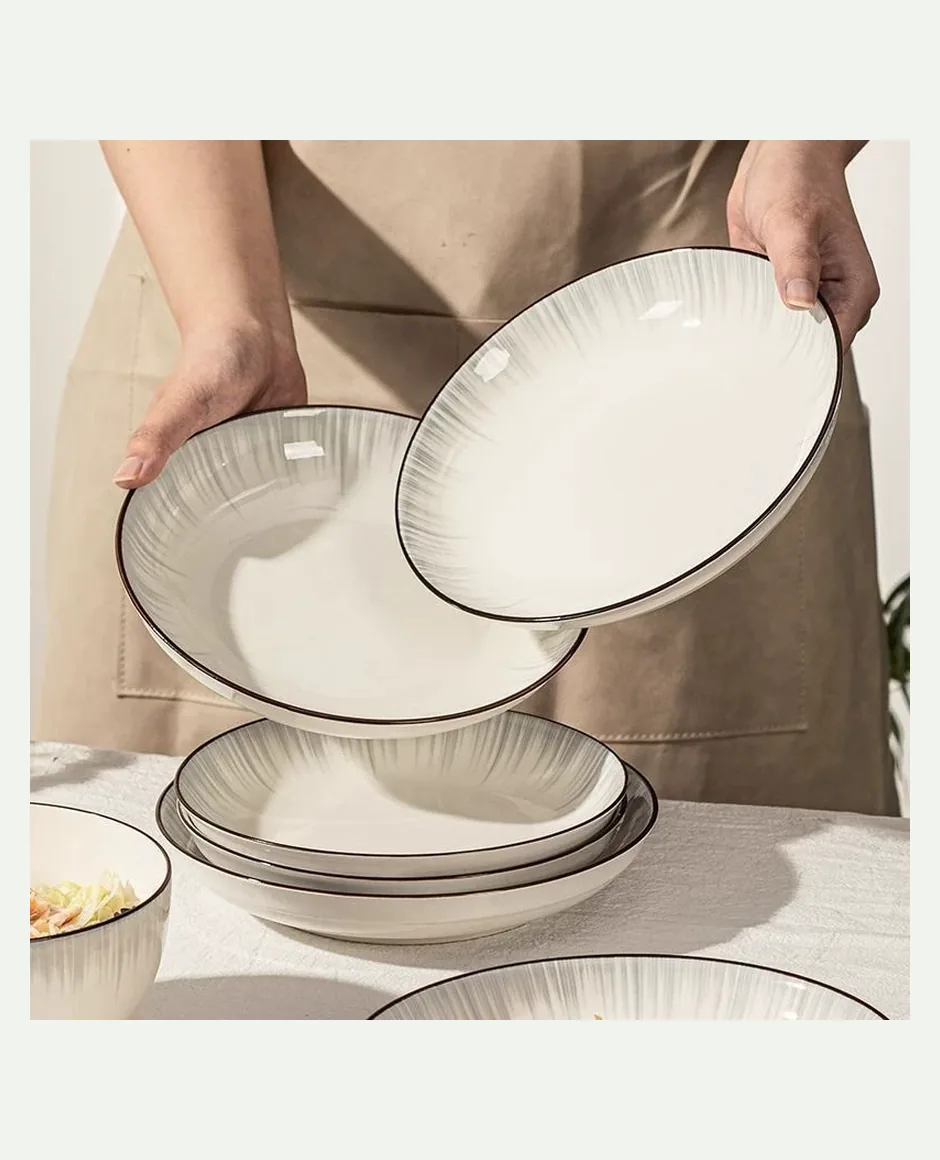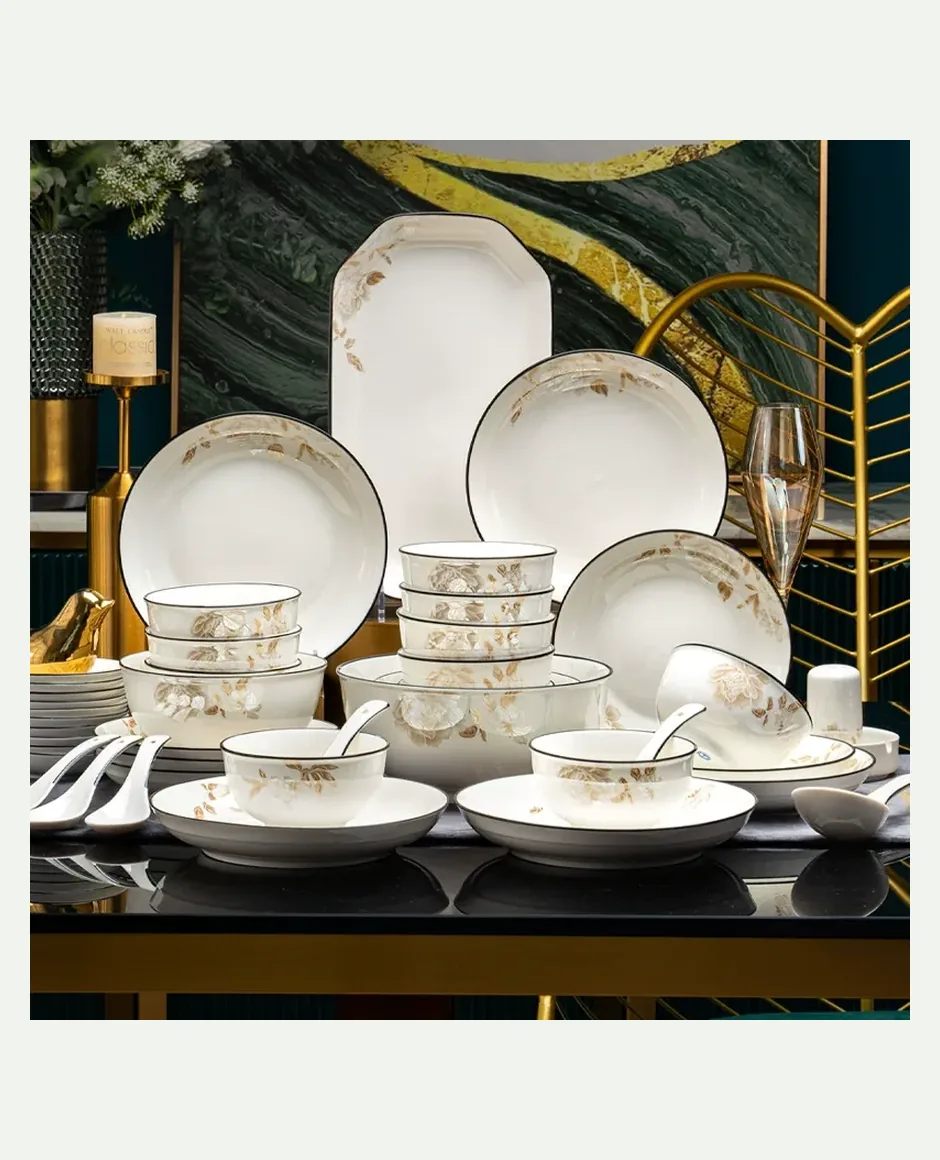
A buyer's walkthrough of sourcing ceramic tableware from China, from defining specs and vetting factories to sampling, QC, shipping, and customs clearance.
China produces ceramic tableware at a scale and variety no other region matches. The country's porcelain clusters—Jingdezhen, Chaozhou, Liling, and Jingshan among them—each bring different strengths in body type, decoration, and price point. Working with partner factories across these regions gives importers access to bone china, porcelain, and stoneware without juggling dozens of unrelated suppliers.
For retailers and distributors, the appeal is straightforward: broad style selection, competitive unit pricing, and the option to customize. The challenge is process. Importing well is less about finding a factory and more about sequencing the steps correctly so quality, cost, and timing stay under control.
This guide walks through that sequence in the order you'll actually encounter it.
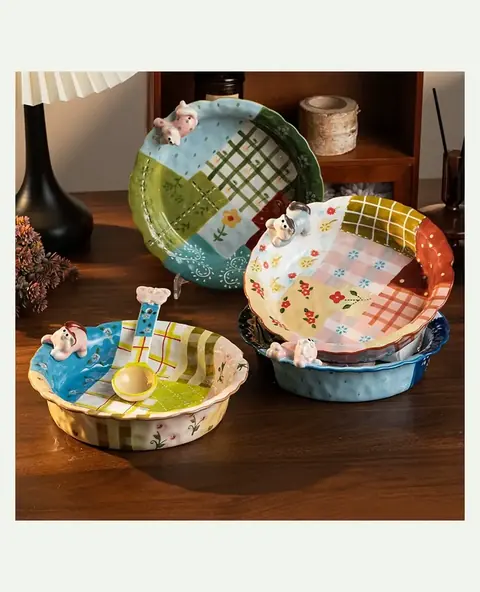
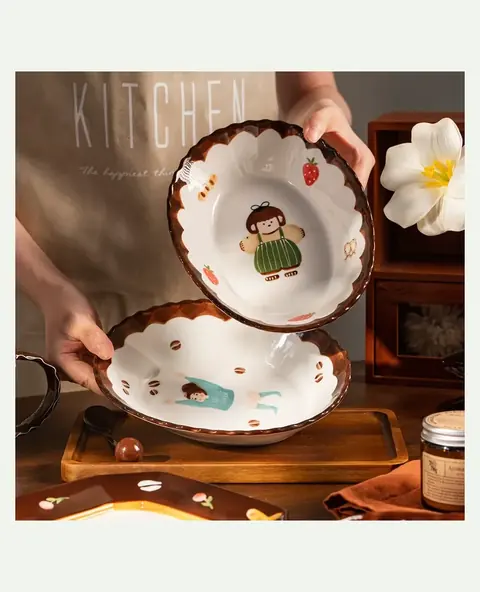
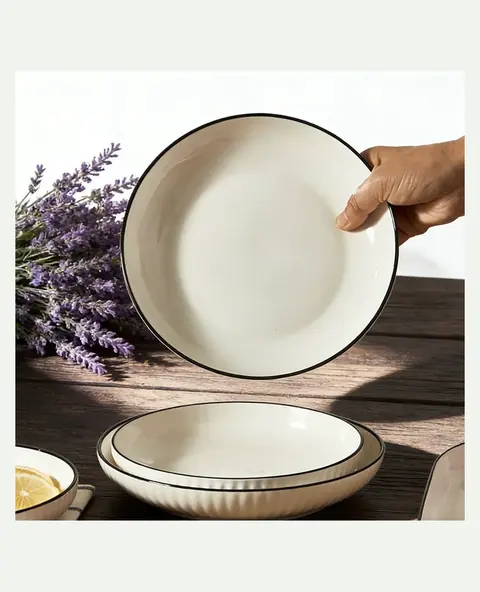
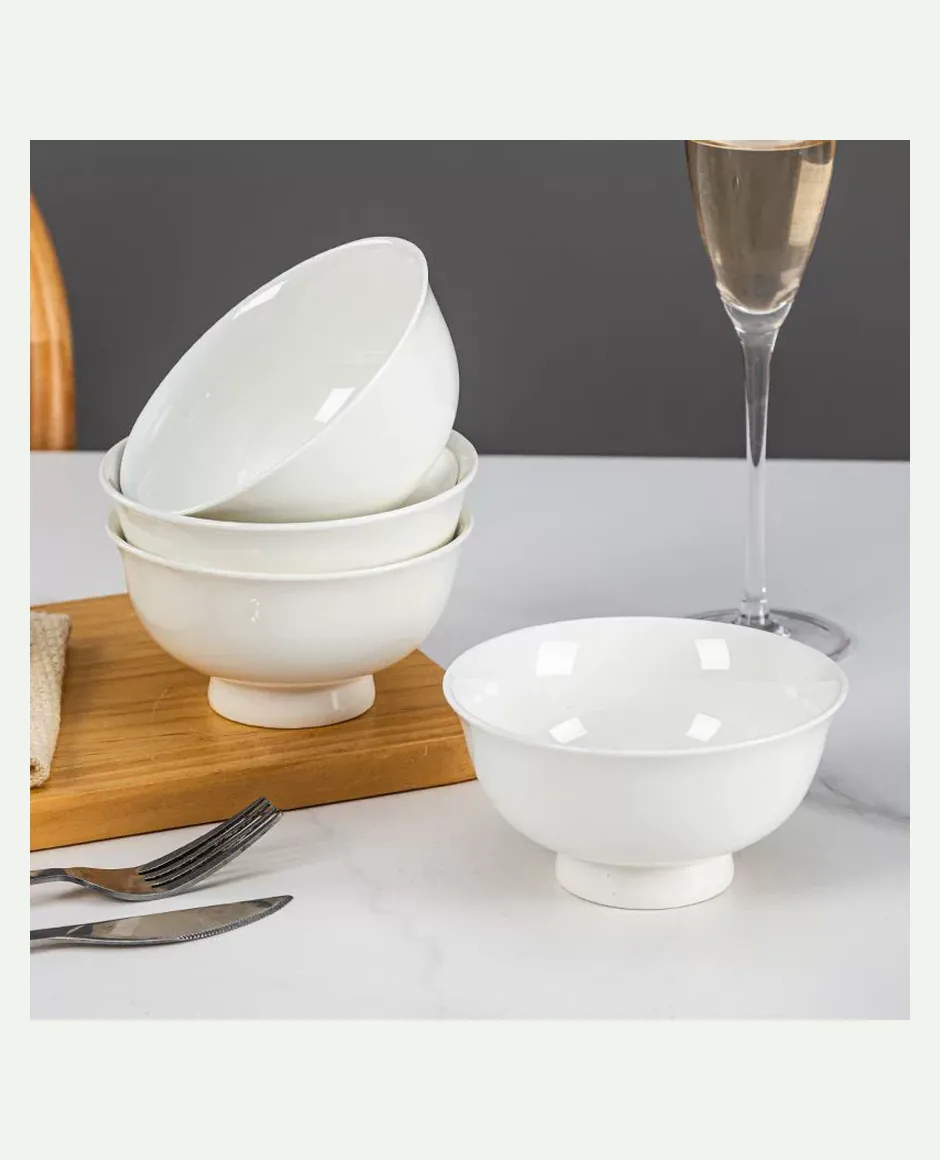
Suppliers quote faster and more accurately when your brief is specific. Decide on the ceramic body first—bone china, porcelain, or stoneware—because it drives cost, durability, and the look your customers expect. Then list the items you need: dinner plates, salad plates, bowls, mugs, serving pieces.
Note the details that affect pricing: diameter, capacity, rim shape, glaze finish, and decoration method. If you're selling into a regulated market, flag food-contact requirements now rather than after sampling.
Vague briefs produce vague quotes. A tight spec sheet produces comparable numbers from every supplier you approach.
Anyone can send a PDF catalog. What matters is whether the supplier can actually produce, test, and ship your order reliably.
Ask direct questions:
A supplier with real export experience answers these without hesitation. One that deflects or gives inconsistent answers is a risk you don't need. Request a single USD unit price per SKU so you can compare quotes on equal footing.
Never place a bulk order on the strength of photos. Order physical samples and handle them the way your customer will—stack them, wash them, check the glaze under different lighting.
Samples are typically made in about 7–10 days. Use that window to confirm:
If your market requires FDA or LFGB compliance, request testing during the sample stage. Catching a problem here costs far less than catching it after production.
MOQ is often the first barrier for smaller retailers. A workable MOQ of 1 piece per SKU opens the door to test orders and market trials without tying up capital in inventory you can't move.
Pricing depends on body type, size, decoration complexity, and volume. Ask for a single USD unit price per SKU so there's no ambiguity about what each item costs. Confirm what the price includes—export cartons, inner packaging, and any labeling.
If you want your own brand on the product, OEM and private label are available. Custom orders follow a longer timeline than stock items, so plan accordingly.
Once samples are approved, custom orders typically take 20–35 days to produce. In-stock orders move faster, usually shipping in 7–15 days.
Before goods leave the factory, arrange pre-shipment inspection using AQL standards. This is your last chance to catch defects, packaging errors, or spec drift before the container closes. Ask for the inspection report and photos of packed cartons.
On the logistics side, confirm whether you're shipping FOB or DDP and prepare the standard document set: commercial invoice, packing list, bill of lading, and certificate of origin. For customs classification, ceramic tableware falls under HS 6911 (porcelain) and HS 6912 (other ceramic). Getting the code right at the outset avoids clearance delays.
Export cartons should be specified to survive sea freight. If you're shipping mixed SKUs, confirm how the cartons are labeled and whether they're palletized.
Inspect goods again on arrival. Transit damage happens, and documenting it early protects your claim. Photograph cartons before opening and note any discrepancies.
Then feed what you learned back to your supplier: which SKUs sold, which had issues, what you want to reorder. A supplier who handles a first order well and responds to feedback is worth keeping. Repeat orders get smoother, and a reliable partner becomes a genuine competitive advantage.
Importing ceramic tableware isn't complicated, but it rewards preparation. Define your specs, vet carefully, sample properly, inspect before shipment, and classify correctly. Do those things and the rest follows.
White-label ceramic tableware with a 1-piece MOQ, sourced through partner factories in Jingdezhen, Chaozhou, Liling and Jingshan.
Read answer →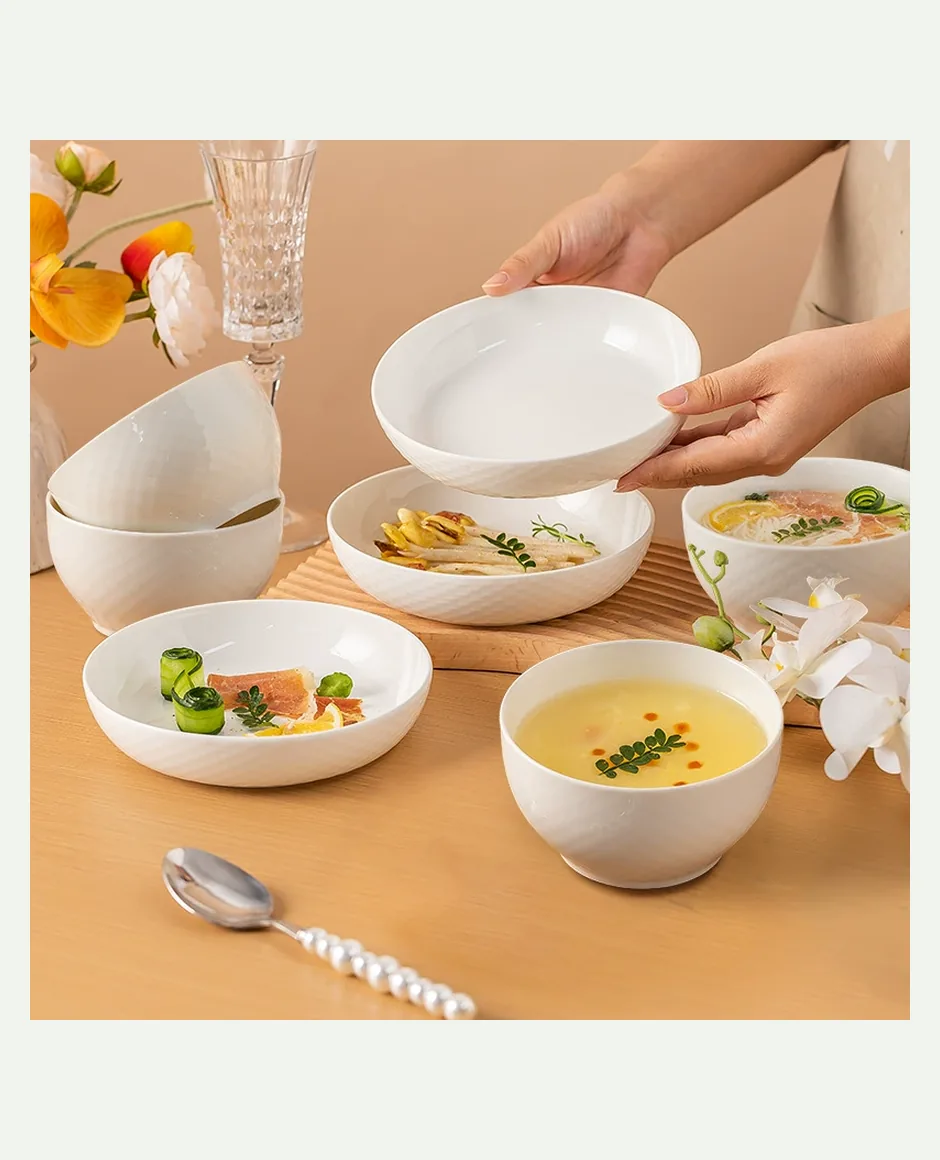
A clear look at how payment and shipping work when importing ceramic tableware, from deposit terms to export cartons and customs codes.
Read answer →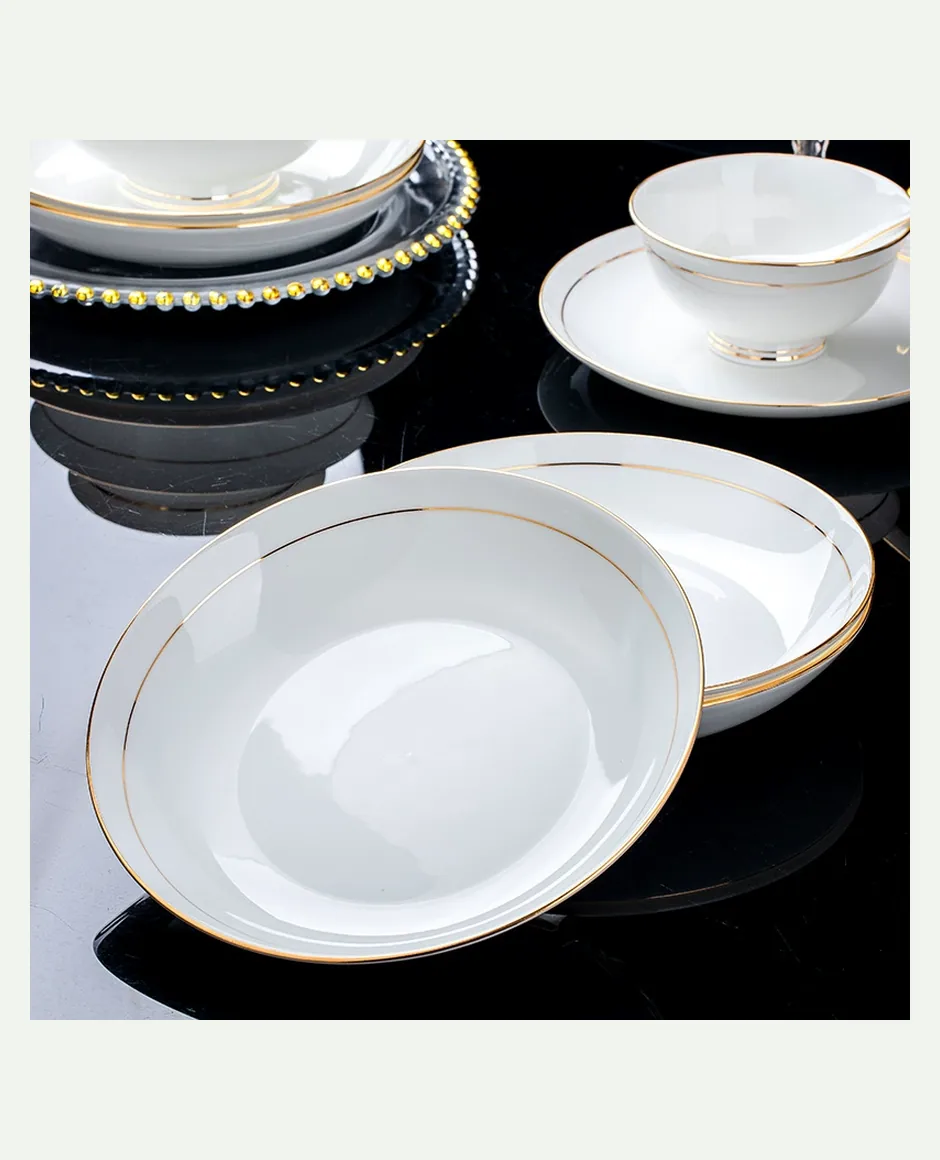
Porcelain plates sit under HS 6911 and other ceramic plates under 6912; duty rates depend on your destination country's tariff schedule.
Read answer →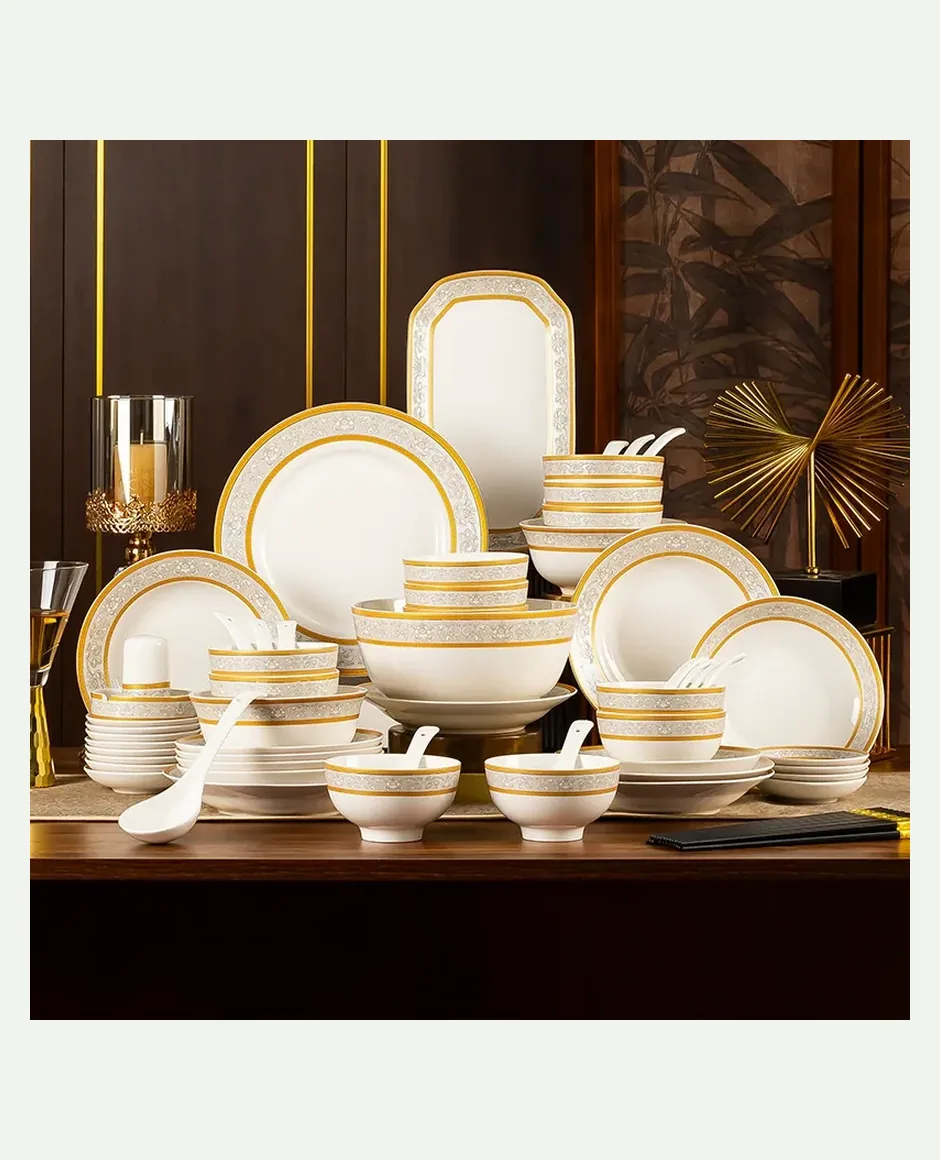
Sea freight keeps bulk costs down but needs planning. Air freight costs more and suits urgent restocks, high-value pieces or tight deadlines.
Read answer →Tell us the product, quantity and destination — we'll reply with pricing and lead time within one business day.
Request a Quote